How To Teach Your Children Responsible Tech Use

0

Are your children at the age where they want or need a digital device of their own? Whether they need a phone for emergencies or a laptop for homework after school, it’s time to have the digital device talk.

As technology evolves and we all use it more than ever, it’s even more important to teach your children how to use it in a safe and responsible way. 

The interest isn’t going anywhere, so the best thing you can do is show your children how to use it to their advantage. Now, even toddlers seem to immediately know how to use apps, so it’s never too early to start discussing guidelines and what’s suitable for your child according to their age and maturity. Get these rules in place while your children are young so they can grow up with a healthy attitude to mobile devices and the internet. 

If your children are older, it’s not too late. They can still benefit from an ongoing conversation and safe internet use. 

Decide When Your Child Gets A Smartphone Or Tablet

Many parents are choosing to give their children phones at a younger age than before. However, it’s maturity that really matters, rather than age. Nobody but you can decide when the right time is to give your child a device of their own, whether it’s a laptop, a tablet, the latest smartphone, or a budget phone with a Sim-only plan from SMARTY UK. Generally the later you can wait the better, as devices can be a distraction from homework, while also exposing children to online bullying, grooming, and other dangers. 

To decide if your child is ready for their own device, you should ask yourself a few questions:

  • Can they usually be trusted to look after and keep track of their own belongings, or are they always dropping, losing, or forgetting their things? 
  • Do they follow your rules without arguments, and follow your directions in other areas of their life?
  • Are they familiar with the concept of photo editing, and do they understand that what they see online might not be a realistic depiction of real life? 
  • Do you trust them to keep up an open conversation with you about the internet and what they do with it?

Sign A Contract

You need to make sure that your children take what you agree with them about their use of technology seriously, whether it’s screen time or what websites they can use. To make sure they’re taking it seriously, it can help to create a contact about their smartphone and internet use. This contract might include some points such as you having to have access to their device passwords, them asking for permission before they download anything, which hours the device can be used between, and what activities can be done on the device. Create this contract and talk about what you’re putting into it and why. Make it a collaborative effort and explain the purpose is to keep them safe, not to stop them from having fun or because you don’t trust them. Sign the contract together. You can use it as a conversation starter so you know they understand why these rules have been put in place. Let your child ask questions about the rules if they have any, and be willing to negotiate, so the contract doesn’t feel unreasonable to them. 

Discuss The Dangers

It might feel hard to talk about the dangers that can be lurking on the internet, but it is important that you do have this conversation. Your children need to know what they should and should not share online and why. There are a few key points that you should make sure that you cover during this conversation:

  • They should never give away any personal information, such as which school they go to, to people that they don’t know in real life. Tell them never to post their location publicly. 
  • Explain that people aren’t always who they say they are on the internet. Someone they meet on social media and speak to for months could be anyone and could be lying about their identity. 
  • Explain that social media is not reality and is just a highlight reel of people’s lives. Remind them that everybody has bad days, but they don’t usually talk about them on social media. Just because someone’s life appears to be perfect on social media, that doesn’t mean it really is. 
  • Make sure they know to treat everyone online with respect. They shouldn’t ever engage in online bullying, like name-calling or rude conversations. They shouldn’t post anything, whether a photo, video, or comment, that could end up hurting someone’s feelings. 
  • Explain what to do if someone, even a friend or a family member, is making them feel uncomfortable online. Let them know that they should come to you and tell you about it as soon as this happens. Explain that you will discuss together what to do about the situation, and reassure them that you won’t make any decisions about it without getting their input. 
  • Talk to them about the kind of photos that they post. They should know never to post nude pictures or anything that could be seen as suggestive, even if they are sending these pictures to someone that they know and trust. Discuss the possibility of what could happen if photos like that were stolen or shared without their permission. 

Lead By Example

The best way to encourage responsible behavior online is to demonstrate the kind of behavior you want to see yourself. Show your children what you want them to do online and with their devices by modeling it yourself. For example, if you want the children to turn their phones off at the dinner table, you should too. Leave your phone outside of your bedroom, never check your phone while you’re driving, and make sure that what you post online is respectful. If you’re can’t follow your own rules, then you can’t expect your children to follow them either. 

As part of your contract that you wrote together, you may agree that you will have to be friends with or follow each other on social media. However, even if you decide that you don’t want to enforce this rule, remember that your child or one of their friends could find and look at one of your social media profiles at any time. To make sure they don’t anything there that you’d rather they didn’t, it’s a good idea to spend some time going through your profiles and cleaning them up a bit. Remove any rude or disrespectful comments, and take down any pictures or posts that you find hard to explain to your child. Put yourself in their shoes, and remove anything that could be embarrassing to them. Other children could use your embarrassing posts, such as photos of them when they were small, as a way to make fun of your child. 

You will find it a lot easier to enforce your technology rules if you’re committed to following the rules yourself. Of course, you might different hours for smartphone use and other slightly different rules to your children, but having some measures and guidelines in place is good for everyone. 

Use Parental Controls

No matter how well-behaved and obedient your children are and what you agree on in the contract, sometimes the temptation to check a notification or reply to a message when they’re not supposed to might be too much. You can take away that temptation and make your job as a parent a lot easier by using some parental controls on your child’s devices. 

Don’t put these controls in place without their knowledge and don’t use them to spy. This is a breach of your child’s trust and can invade their privacy. Instead, use these controls to block internet access or certain apps during set hours so your child can focus at school and get to sleep without distraction. You can block certain sites or categories of sites. A lot of adult-oriented sites can be easily accessed by kids if they just lie about their age, so block them instead. 

Never underestimate how easily even very young children can figure out how to use mobile devices. Even if you think your child is too young for the internet, remember that an environment of responsible internet usage is something they will notice, even while they’re young. If your children grow up seeing you using your devices responsibly, it will feel more natural for them to do the same when they are old enough for devices of their own. 

When you start the conversation early about how to safely use the internet, mobile devices, and other technology, you will find it much easier to maintain an open and natural line of communication between the two of you. You won’t have to force these conversations when your child has grown up enough to want their own device. No matter how old your child is, start talking about responsible tech use now.

Preview: The Tower

At some point, we have all been “the new person”. Whether it’s a job, school/college, or a sports team, the underlying emotions are the same. Will you be good enough? Will anyone like you? Am I the right person for this role? These are normal feelings, but can you imagine taking a job because the last person got sacked for asking too many questions? This is the starting point in The Tower. A vacancy has come up because one security guard couldn’t keep their mouth shut.

Developed by Kyle Simpson and published by Vherb Media LLC, it’s an action-adventure title about secrets, lies and survival. This is Kyle Simpson’s maiden voyage into the gaming world, and so far, so good. The Tower is still under development and could change between now and release. From my beta viewing platform, I’d say little needs to alter and the game should continue on its current trajectory.

You stay down!

The Tower takes you on a path of mystery, danger, and intrigue.

What I loved from the start was the immediate clues showing how The Tower would play out. Cagey conversations, security locks at every turn, and a boss that puts you in your place. It was clear the story would be a slow-burner and clues would be drip-fed through puzzle-solving and exploration. 

You are a security guard who has started a new role at the most secure building in the city. Questions are frowned upon and your role is very specific. You are not to use the lifts and the stairs are your new best friend. The Tower comprises 89 floors of unusual and classified activity. You may wish to see what happens on every level, but you only have clearance to wander around four of them. Your day starts quiet, almost mundane, and then all hell breaks loose. An incident is followed by fire, blocked exits, and an unnamed group of mercenaries. You no longer want to explore the 89 floors…..you have to! The only way out is down, but fire, murderers, and mystery stand between you and the exit. 

A story told through linear missions. 

The linear, focussed narrative forces you to progress by completing one task at a time. You are funnelled through labyrinthine offices, tight air vents, and locked spaces. Minor puzzle elements ensure you explore the surrounding area for clues or ways to progress. You will move objects to reveal hidden access points, find items to unlock doors and solve puzzles. The concept is tried and tested, but the way it has been designed makes it flow nicely from one point to another.

In this short beta comprising three chapters, I was given a taste of armed combat, the level design, interaction with NPCs, and problems to solve. I was thoroughly impressed with each element and look forward to seeing them evolve over the predicted ten-hour gameplay. The mysterious nature of the plot will allow the developer to venture into the realms of surrealism and this would be an interesting twist. The current format of “move here, and fight that” could become tiresome if followed strictly over every floor. If Kyle Simpson blends the straight-laced ideas with some unusual Sci-fi layers it would make for a very interesting concept.

I also enjoyed finding notes left on desks and tables. Their memos gave an insight into the secrets that lie within the tower while adding depth and emotion to the NPCs. It would be nice if this was expanded upon to allow for side quests. This would give a break from the linear structure while letting the player decide their focus.

Has anyone got a fire extinguisher?

The Tower made my laptop hotter than the sun!

I’m mainly a console gamer, so I combined my reviewing and gaming into an MSI gaming laptop. Now purists will say I should have purchased a desktop, and I agree, mostly. Playing The Tower turned my laptop into a molten ball of fire that I swear was hotter than the sun (minor exaggeration, but you get the point). The performance-heavy game requires a reasonably good rig to get the most from it. I could play at the top settings and it looks great and performed to a high standard. The textures look nice, and the panels and switches contained lots of details.

Sadly it juddered in places, but this is probably a hardware issue rather than anything to do with the game. I experienced some minor issues, but this is expected at the beta stage. All issues were reported so hopefully the problems will be ironed out. For his first project, it was impressive how good it looked and how stable the performance was.

The developer has a talent and passion for sound and audio. The star of the show is the music and the acting. The choice of songs perfectly matches the action on screen and it puts you on edge waiting for someone or something to jump out at you. The acting is reminiscent of cinematics found in triple-A titles. The well-delivered lines ensure that every character is realistic and you buy into the story much quicker because of it. The sound effects were good but the pistol fire lacked depth. This gave the impression of an underpowered weapon and this undermines the enjoyment during combat scenes.

I’m going to be check over here!

Full controller support or mouse and keyboard.

When a game offers multiple control methods, it’s very much appreciated. I took the time to try both, and each had advantages and disadvantages. The game favours neither mouse and keyboard nor controller use, because of its dynamic tutorial. Both methods perform well yet the controller sensitivity made combat tricky. The pistol moved too quickly and made aiming a challenging experience, I recommend playing around with the settings to get the most out of this. The layout is easy to understand and can be altered to your liking. A handy schematic shows your preferred button layout and this helps to reduce confusion. This approach was spot on and makes this an extremely user-friendly title.

Discussing replay value in a preview is like trying to predict the future. I’m no clairvoyant, but I’ll give it to go! With plenty of levels to explore, a story-rich linear narrative and the potential for some unusual twists and turns, this should keep you busy for hours. Ten hours of gameplay is a good return from an indie title, with the potential of a large achievement list, this could stretch to be much longer.

The Tower is great at the moment and offers a lot to be excited about.

A demo rarely leaves you wanting more, but The Tower does just that. With many unanswered questions and the action hotting up, I wanted to keep playing. With minor issues and plenty going for it, you have nothing to lose by trying the demo here! The project is still under development and the Kickstarter campaign is available for you to support here! Taking a new job is challenging, but this is something else!

Summary.

The Tower is currently under development and shows us glimpses of what is on offer in its demo (available July 1st 2021). With a story-rich narrative, excellent audio, and high-quality graphics, this has a bright future. There are a few issues that will be resolved before release so don’t allow that to put you off. Who’d have thought an office job could be so challenging?

(Reviewed on PC using Steam.)

Review: Ender Lilies: Quietus Of The Knights

Ender Lilies, a dark 2D action RPG was brought to life by Binary Haze Interactive. The game was initially released on Steam but eventually found its way to Nintendo Switch. Within the depths of a derelict kingdom, the player must battle their way through to discover what chaos destroyed everything in the first place – and how they can stop it from happening again. Despite Ender Lilies seeming like just another Metroidvania in a clutter amongst Nintendo’s eShop, this game stands out as one of the most promising. 

How the world fell to ashes

You take on the character of Lily, a princess who awakens within the ruins of her castle. ‘Land’s End’ (the kingdom in which you spawn) has been cursed by what’s referred to as ‘Blight’. All the people you once knew and even referred to as friends are now against you. But luckily you’re not alone. Alongside Lily is Umbral Knight. Lily is essentially useless on her own, with no combat ability, so the help of spirits along the way aids your battle against the blighted. Umbral Knight is the first spirit of many which you encounter throughout the game. As you progress, Lily is able to purify the blighted spirits and they are able to join the journey. 

Much like Bloodstained: Ritual of the night, these spirits can all be used across two menus in battle. At first it’s a bit confusing to remember which spirit does what and which button to press to activate, but after a while you certainly get the hang of it. Unlike Bloodstained, these spirit menus are customisable and a little easier to use. Upon reaching the various checkpoints scattered amongst the map you can switch and change which spirits to use for combat. 

As you begin to explore the world of Land’s End, Lily comes across a multitude of written artifacts. These all play into understanding what has happened to the kingdom, and occasionally feature key elements to understanding the story. But sometimes these elements aren’t easily obtained. Quite a few features are hidden where you cannot reach until you have gained certain spiritual abilities. 

A fight with all you have left

Ender Lilies is an aesthetically beautiful game throughout. Lily stands out in white against such a monochromatic colour palette, and even the Blighted seem pleasing to look at. Nothing takes too long to load, and battles are high strung and tense with accompanying music. It’s a sombre masterpiece, and everything runs exceedingly smoothly. Especially during combat, where you really have to focus as nothing comes easy. It’s the right level of challenge without being controller-crushing frustrating. But practise makes perfect, and these battles certainly aren’t easy. 

The most important controls are combat and dodging. Each spirit you gain on your adventure is capable of different attacks in battle, and sometimes they hold vital moves in order to unlock new elements of the map. With the allocated spirit menu, it lists the buttons needed to summon certain attacks. There aren’t any combos to master, but the buttons can be a little confusing when you have two rows of three spirits and all of them do different things. Over time you’ll get used to this and you’ll be bringing all spirits to battle.

Dodging bullets

Dodging however is a little difficult. Most of the time it works fine, you’ll miss attacks and be able to bring the pain. But sometimes it just seems hit and miss. Half the time, you dodge too soon and end up throwing yourself into the enemy and taking quite an unreasonable amount of damage. The other times you dodge directly into where your enemy is landing their attack. It’s one of those controls where if you don’t hit it just at the right time, it’s not going to work. This comes with practise, but with the rest of the controls running so smoothly it’s a shame that this small thing lets it down. 

Aside from challenging encounters, there is an extensive amount of platform jumping within Ender Lilies. These can be executed fairly successfully since Lily is more than capable of pulling herself up a platform if your aim is a little off. Most of the time I didn’t think I’d make a jump but Lily grabbed a hold of the edge and hoisted herself up. Upon gaining the ability to double jump, all platform elements are fairly simple. Unlike games like Hollow Knight where one slip up can send you spiraling to the other side of the map. Ender Lilies gives you a little leeway with fumbles, so it’s not as perilling when you accidentally lose a battle or plummet into a pile of spikes. 

Graveyard whistling

Ender Lilies is accompanied by a haunting soundtrack to mirror the sombre appearance of the game itself. Boss battles are accompanied by high strung, tense pieces of music. Sound design also subtly hints at approaching threats or the unwanted second form of bosses. Even when the game falls silent you find yourself clenching your jaw awaiting what is next to come. In a way, Ender Lilies utilises how important audio is within games and uses it against the player. Causing tension where there doesn’t need to be, leading you towards boss battles whilst you think you’re avoiding them, it all leads to you sitting on the edge of your seat waiting for the next move.

During one of the first encounters with the blighted spirits, when he takes his second form in battle the game falls silent. Whether this was done to allow you to focus or to make everything more nail-biting, it certainly works. The switch is also equipped with absolutely fantastic rumble input during combat. Although, this put me to shame more than once as the epic rumble that occurs when you lose all health is incredibly intense. It definitely had heads turning when I was playing around others. 

However, none of the cast is narrated. Ender Lilies relies quite heavily on the audience’s engagement with it’s subtitles. These appear quickly and are very often missed since it doesn’t stop you from moving. On more than one occasion I missed Umbral Knight trying to tell me key backstory passages because I was too busy double jumping away from the blighted. The environmental and written additions to the story are not narrated either, so be prepared to do quite a fair bit of reading. 

A visual masterpiece

The same level of intensity has been poured into the game’s visuals as well. As mentioned, it is extremely aesthetically pleasing. It’s dull and dreary and all things gothic literature. Despite the game being 2D there is an extreme amount of depth implemented in all levels. Enemies are massive in comparison to Lily, and their designs are worthy of a mention as well. Each enemy is equally as intimidating as the last. Whether you’re fighting fungal sorcerers or demonic demons in churches, they’re all as terrifying as you’d imagine. Unfortunately these immense encounters lead to a slight drop in frame rate. It’s not enough to hinder your fighting performance but it certainly sticks out when the rest of the game is capable of running so smoothly. 

Final thoughts

I am not ashamed to say that Ender Lilies has rapidly become one of my favourite games. I’d argue it to be one of the strongest Metroidvanias in 2021, and it most certainly suits the Nintendo Switch. In a kingdom full of melancholy, this game is still bursting with life. All elements of Ender Lilies are strong, from gameplay to story to combat, it’s all excellent. There are few faults to list, and to any fans of games such as Bloodstained: Ritual of the Night or any fans of the Castlevania franchise I cannot express enough how much you need to give Ender Lilies a chance. It’s the right level of challenge, with a beautiful soundtrack and a compelling storyline. So when are you jumping in to save Land’s End?

Review: Ninja Gaiden Master Collection

The Ninja Gaiden series is painfully unforgiving. Enemies are fast, intelligent and absolutely relentless. Combat is brutal, with flying limbs and blood spatters a regular attraction.

As a newcomer to the series who hasn’t had the chance to compare the ‘re-worked’ titles found in the master collection, with the original – and seemingly preferred games – I can only speak of my singular experience with this collection. 

The Ninja Gaiden Master collection is a robust, punishing anthology of gaming greats that all have their own strengths and weaknesses. The collection consists of Ninja Gaiden Sigma, Ninja Gaiden Sigma 2, and Ninja Gaiden 3: Razor’s Edge.

In an effort to get this review out in a timely manner, I have spent the last couple weeks being humbled by this series of difficult games. And, I loved it.

The pinnacle of combat:

One element that never wanes throughout the collection is the absolutely brilliant combat. Thankfully, each of the games are built around the excellent combo based combat system.

Ninja Gaiden Sigma, the first game in the collection, feels a tad more precise – dare I say slower – in comparison to the latter two titles. Personally, I preferred the more tempered – but still objectively fast – pace of the first game.

As the player, you have a great deal of control over what you do in combat. Each combo has a deliberate purpose and unique series of functions that encourage a sense of mastery seldom found in other games. 

The games smart and relentless enemies mean that mastering the combat isn’t an optional choice; reserved for the most elite players. It is a prerequisite just to get through the game. 

The most impressive part about the combat is the way in which it retains a certain simplicity when it comes to core mechanics. Nothing about the system is particularly obtuse or overtly complex. 

Having said that, there is still considerable thoughtfulness when it comes to combat. For example, player positioning is incredibly important. With this factor in mind, a simple mechanic such as wall running becomes not only a flashy maneuver, but also a strategic addition to your arsenal. 

This level of thought and strategy is prevalent across the games combat, which helped me – as a complete newcomer – find a satisfying balance between learning to understand the subtle nuances in the combat, whilst not being overwhelmed with layer upon layer of tutorials and hidden mechanics.

Across the collection, players will mainly control series lead, Ryu Hayabusa, however, there are some instances where you will also control members of the large female ensemble. Sadly, the other characters fail to live up to the high standard of gameplay that Ryu has to offer. 

I welcome variety wherever possible, but playing as someone like Rachel massively slowed the games otherwise excellent pacing for me. With a bit more time and perhaps consideration for how these characters would interact with enemies -who feel specifically designed with solely Ryu in mind – there is potential here for even greater gameplay variety.

Overall, the combat has aged extremely well. This isn’t a case of having to contextualise the game’s combat in relation to the time; even today, this is some top tier action combat. 

Other aspects of gameplay, such as puzzles and platforming, fail to reach the same standards as the combat. Not bad by any means and at times a fun reprieve from combat (who am I kidding, I couldn’t get enough of it), but the poor camera (which also is an issue in combat), is particularly frustrating during platforming sections.

Certainly a story:

Having even a casual knowledge of Team Ninja as game developers, you would know that their games are not particularly story-driven experiences. This isn’t to say that the narratives found in their titles are bad, but the gameplay is the prime focus. Given the popularity of their recent titles (looking at the Nioh series particularly), this formula works for them.

The Ninja Gaiden Master Collection certainly doesn’t lack in spectacle and Ryu is an absolutely badass character. The voice acting and cutscenes are also surprisingly good for such a gameplay focused title. 

Complemented with some great music – and of course the absolutely brilliant combat – the story can hardly have a negative effect on the experience.

In some ways, the silly script (the writing is pretty awful) and mindless nature of the stories compliment the bombastic, brutal and chaotic gameplay. With gameplay this good, why bog it down by attempting to develop a more thoughtful narrative? 

I think this is certainly a fair argument. And, whilst it would make the collection even more impressive if there was a half-way decent story; attempts in Ninja Gaiden 3 to develop Ryu’s character falling flat suggest that perhaps the gameplay focus was the right choice.

The serious tone shift in 3 isn’t met with an improved script. The bad writing undermines the more serious tone and made me feel grateful for how much the first two games did not take themselves seriously at all.

Still the student:

For a first time experience, the Ninja Gaiden Master Collection provides plenty of gameplay variety, challenge and even a little bit of innovation between titles (for better or worse).

Ninja Gaiden 3 feels decidedly weaker, but the quality in the first two titles made this collection extremely rewarding for a newcomer like me.

Sadly, the collection struggles to live up to the ‘master’ title – the performance on the Switch for these games is really poor. And from what I have heard, the PC port is also especially bad.

Ninja Gaiden Sigma fares a lot better than the latter two games, with the increasingly fast gameplay in the latter games having a tremendous effect on frame rate. 

The game often ends up looking incredibly pixelated and blurry. 

The camera is noticeably poor and whilst the combat remains absolutely excellent, nearly every other area could have done with a lot more work to live up to the ‘master’ label.

The story here is that the Ninja Gaiden Master Collection offers new players the chance to experience this excellent series in one complete package. The collection is packed full of content and challenge that encourages replayability. 

For more long-term fans however, this half-hearted attempt fails to elevate the game in the way you would expect of a remaster. 

Review: Venom Gaming – PS5 Single Charging Station

I remember being all excited on the 19th November 2020, the UK Launch Day for the PlayStation 5 and all set for one of the many retailers to have stock to place my order so I could go collect my shiny new PS5 that same day. Oh, how I like to dream because what actually happened was that just like the millions of other hopeful gamers believing they could purchase the console on launch, I failed to actually find one. Now I would not find one until the end of January 2021 but what something I was able to obtain on launch day was VENOM Gaming’s Single Docking Charging Station for the PS5 Dualsense controller. So impressed was I with the first one, and less impressed with the battery life of the Dualsense controller itself, I found myself with a second Dualsense controller and with a busy streaming and gameplaying schedule for my PS5, I found myself needing to keep both PS5 controllers fully charged and ready to go in case I needed to switch between the two. The solution of course was to buy a second Single Docking Station and well, I thought it was time to share just how amazing this must have charging solution device really is.

What is in the Box:

1 X Controller Docking Station
• 1 X Charging Dongle
• 2 metre Type C USB Braided Cable

The beauty of this charging solution really is in the simplicity of it, with the Charging dongle connecting to the USB C port on the Dualsense controller itself and a docking station that the controller will sit on allowing it to charge via the charging dongle. The Docking station is then connected via the 2M Type C Braided Cable, a very lovely blue braid as well which along with the white colour of the docking station and charging dongle, really suit the look of the PS5 console itself.

Then when connected to a USB source, in my case utilising one of the USB ports on the back of my PS5, all you simply do is seat your controller with the charging dongle attached and it will charge both with the console powered on or in standby mode. As the controller charges, the LED indicator will show Red to indicate it is charging and the Dualsense controller will glow orange around the touch pad just as it would if directly connected with a charging USB cable. The docking station also has a rather handy extra USB post on the back which I have used to power this new second dock from the first dock.

VENOM also does a two controller docking station with the same aesthetic as the single docking station however for my setup and as you can see from the images above, my layout suits having two controllers on two single docking stations either side of my TV centre and I actually quite like how it looks with them, because not only are they terrific charging stations, they look amazing as they match the design look of the PS5 console itself as well as serving as nice controller stands as well so they are neatly put away after every gaming session and easily found when I return. The dongle fits nicely onto the controller and is in no way cumbersome unlike last generation charging solutions for the PS4 controller I found at the time, it does not interfere with how you hold the controller, nor does it add any weight whilst using the controller.

This has easily been one of the best purchases for my PS5 since…well…buying the console itself. Being both affordable and offering a charging solution for any gaming you may have, the VENOM Single Charging Docking Station is a must have and if you have two controllers and a layout that allows it, the dual charging station is also a sensible purchase especially when you consider the very acceptable and affordable £12.99 for the Single Docking Station at most retailers and the Dual Docking Station for £14.99 at most retailers.

You can learn more from the Venom Gaming Website

Review: Song of Horror

Horror is a love it, or hate it genre. You either adore the jump-scares and gore or cower in fear, hoping for the pain to stop. Watching scary films or reading books is fine, but I enjoy the hands-on approach found in video games. Transported from a voyeur to being able to rescue the victims is both rewarding and empowering. Song of Horror is a nod to classic stereotypes and will make you feel uneasy from beginning to end.

Developed by Raiser Games and published by Protocol Games, this is your classic third-person puzzle horror title. With a creepy atmosphere similar to Silent Hill and puzzle and exploration mechanics reminiscent of early Resident Evil games, there is a lot to look forward to and be excited about.

Why would you enter the classic scary house?

Song of Horror will make you uneasy.

In your everyday life, you want to feel safe, secure, and ordinary. Mundane is okay as long as you are in a happy place. Ironically, so many people get a thrill out of being creeped out, yet this is exactly what Song of Horror does. From the moment you step into the eerie world, you are uneasy. It’s horribly atmospheric with jump-scares galore and I loved it for it.

The gameplay follows a handful of genre stereotypes; you have the expected “scary” locations, understated and “ordinary” protagonists, and the one evil entity that bonds it all together. Yet, even though the core elements are familiar, they don’t feel tired and I enjoyed how they were blended.

The story revolves around a missing novelist called Sebastian P. Husher. He was sent a music box to research as its owner could not identify its composer or roots. The mystery item, as you may have guessed, contains the “Song of Horror”. A malevolent entity known as the Presence exists within its four walls, and if you hear its tune, you will perform unspeakable tasks.

Not the cutest of dolls.

A missing writer and a horror box. So where do we fit into all of this?

Sadly the missing author is the publishing firm’s star client and his latest manuscript is hot property. No writer means no new book. The publishers need to know what has happened, and this is where the nightmare begins. You control a roster of characters, and you must investigate Sebastian and his family’s disappearance across five chapters. You visit a mansion, an abbey, a mental hospital, and more in this atmospheric title. It screams cliché, but the locations worked perfectly with the slow-burning suspense.

The scares aren’t about gore and violence, no, it’s about the tension and fear built up from the unknown. Each scary moment is accompanied by a “mini-game”. Hands will claw at a door as you desperately force it shut, or monsters creep around listening to you breathing. You’ll wait with bated breath hoping to survive because Song of Horror adds a nasty twist! If you’re caught that character is permanently deleted.

Permadeath’s not a nice thing and you can switch it off if you wish. But I advise keeping it on. The fear of losing a player keeps you on edge and gives you the full and true experience as intended.

Such romantic lighting.

Intricate puzzles and queer observations.

Like the early Resident Evil titles, this is all about exploration, object gathering, and puzzle-solving. Items must be combined in weird ways to solve the intricate problems. You’ll search cupboards and drawers, pick up objects, examine documents, and piece together clues. It builds a wonderful picture of the surrounding world and gives you a full insight into the man you are searching for.

Song of Horror is as much about problem-solving and jump-scares as it is observing the finer details. I like how this enhanced the fear factor but also made each character relatable. You will listen for sounds behind closed doors, helping you to plan your route. The Presence hides in plain sight, catching you when you least expect it. This caused some genuine “brown trouser” moments, accompanied by screams of fear and pain at the loss of one of your characters. I didn’t know what was more disturbing; soiled underwear, screaming like a girl, or losing one of my characters.

Searching through items raised generic responses, yet there were some nice personal touches. The characters would refer to personal experiences or how the objects made them feel. It was a minor thing, but it added depth and humanity to my virtual “heroes”.

Song of Horror looks great but struggles in tight spaces.

Song of Horror looks great. With wonderfully detailed environments and fantastic use of colour and tone, it looks every inch the classic horror romp. The fixed camera flips and turns as you wander around each room giving you a restricted view. This was fine mostly but was problematic in tighter spaces. It enhanced the claustrophobic nature of those areas but frustrated you as you searched for objects. It showed its early influences with a modern twist, and I appreciated how it was presented.

The audio was both brilliant and terrible. The music sent chills down my spine, genuinely filling me with fear. My jaw hurt from clenching my teeth as I waited to be scared senseless. The sound effects had a similar impact on me and brilliantly sold the horror theme. Therefore, it was disappointing that the acting was so poor. Wooden and hammy delivery undermined much of the audio’s brilliance. You couldn’t help but laugh at its quality, but I’m not sure that is what the developers were aiming for. When you play this, don’t expect Oscar-winning performances and you’ll be fine.

Hold off the Presence.

The controls are good but were impacted by the camera choices.

With a simple layout, Song of Horror is an easy game to play. Helpful tutorial notes pop up as new mechanics are added, and tasks are completed with simple button choices. Sadly, the movement is impacted by the fixed camera perspective. As the view turns, you’ll need to adjust the analogue stick to match. It wasn’t complicated, but it took time to get used to. The mini-games that form a key component of the gameplay are easy to understand and simple to perform. It is a game that is easy to pick up so you’ll be comfortable even when new mechanics are added.

With death being a key concept and every character seeing the world differently, each playthrough has a unique look. The Presence can appear and follows you like a shadowy stalker, so death and failure are just around the corner. For those gamers who wish to explore alternative viewpoints, Song of Horror has plenty of replay value. Combine this with a challenging achievement list and there are lots of reasons to return.

Song of Horror isn’t perfect, but it’s unique with some much-loved influences.

If you love the genre, you are going to fall for Song of Horror and its old-school charm. With nice graphics, atmospheric and creepy audio and likeable characters, it will have you hooked. The puzzles force you to explore even when you want to hide away in the corner and each element complements the others to create a well-rounded experience. I loved it and recommend you to buy it here! A creepy music box, spooky locations, and a malevolent being. Nothing can go wrong, right?

Review: Ratchet and Clank Rift Apart

In the run up to the global launch of the PS5 console in November 2020, they held a special ‘State of Play’ to showcase all the titles that would launch with the console and those what release following the launch. One of the first games shown that featured actual PS5 gameplay was from Ratchet and Clank: Rift Apart and it just looked incredible, blowing my mind of the potential of the next generation of console and made me want to get the PS5 that much more. Thankfully, despite the massive console shortages still happening with the PS5, I was able to secure one and then it was just the five months wait for Ratchet and Clank: Rift Apart to release and my friends, the wait was worth it!

Throughout my time as a PlayStation gamer, the Ratchet and Clank series has always been a big part of it with the 2016 game truly being a celebration of the series tied into the animated film that was released. As an action platformer, few can really hold a candle to the story telling and gaming experience playing a Ratchet game and just the idea that so soon after the launch of a new PlayStation console there would also be a brand-new game to go with it that would use the full power of the console, well it was pretty much a no brainer really and a pre-order was placed!

Rift Apart is a direct continuation of the story from ‘Into the Nexus’ from 2013 and opens with the worlds rejoicing and celebrating our two heroes, thanking them for defeating Dr Nefarious once again. Reliving how they first met, this is an opening filled with fun nostalgia whilst also showcasing just how beautiful it looks on the PS5 but will come back to that a little further on. Now any celebration of Ratchet and Clank is not going to go without some interference of their arch nemesis and at the very moment Clank presents Ratchet with a fully working Dimensonator, capable of opening portals to other dimensions in order to help him track down and find the lost Lombax, Dr Nefarious pops up to steal it and whilst stropping him, the Dimensonator is damaged causing dimensional rifts to open up which pulls in Nefarious along with our two heroes into different dimensions. Now cut off and alone from Clank, Ratchet must discover where he is and how he can find Clank to put an end to Nefarious’s evil plan and save the Universes one more time!

Before I get into just how brilliant the story and the gameplay are, I do have to talk about just how fantastic this game looks and plays on the PlayStation 5. I am a firm believer in gameplay over visuals and 2021 has certainly spoiled me in consoles games now fully running at 60FPS across PS5 and Xbox Series X. Thankfully a launch day update added a Performance mode with full Ray tracing at 60fPS, and having a pretty good 4K TV, playing this on that Performance RT at 60FPS gave me a visual feast of vibrant colours, incredible detailed textures and a fluidity of animation that has just taken the series to an incredible new level. You combine that with the brilliant use of the Dualsense controllers Haptic Feedback and Adaptive Triggers which allow you aim some throwable weapons by holding the right trigger halfway before a full trigger pull will fire the weapon.

Perhaps the other biggest use of the new power of the PS5, and the main reason why sadly this game could never come to PS4, is the new enhanced loading times which gives life to the “portal use” feature of the gameplay. Thanks to the power of the PS5 SSD, entire new worlds, levels and environments can now be instantly transported to, changing the traditional game up and offering even more new gameplay mechanics to enjoy. We as gamers are so used to be hurled through something that the animation of pulling a portal and the world behind it to you instead of being firing towards and through it for me has really helped being this new way of travelling to life and I never tired of it once in the 19 hours of my first run through the game, it just put a big grin on my face to instantly be transported to a new location just by pressing L1 whenever I saw a portal flash yellow meaning I could use it. Not only is this used to help move around the area you are in but clever positioning of them in some of the main boss fights of the story, gives the player an escape path out of danger to get your bearings before jumping into the fight once more.

With the ability to travel to other dimensions, one very cool addition Rift Apart brings to the series is a brand-new character, a Lombax very much the hero just like Ratchet but this time a hero who has lost her fight against her nemesis as we are introduced to Rivet for the first time. I really like Rivet as a character, to have someone who is as capable and as talented as Ratchet but from a dimension where her version of Nefarious, Emperor Nefarious if you please, has won and is now dominating her world and universe but is still trying to fight back. It is Rivet who finds a heavily damaged Clank and the two of them set of to stop Dr Nefarious, who is now loving the fact he is finally in a Universe where people worship him, from causing even more damage.

Whilst Rivet is a new character, her move-set and weapons are the same as Ratchet, so as switch between Rivet and Ratchet as you progress through the story, any weapons and upgrades purchased by one will be immediately available to the other. Their skills will be the same as well allowing the player to feel at home controlling either character at any time with the standard melee combat combining with the weapons you will purchase along the story. I really came to like Rivet as her own character though, learning about her own backstory throughout and finding a connection to her in the same way I have a connection to Ratchet and Clank though it only took one game for Rivet. There is also a very lovely surprise for Clank fans as well, but I will not spoil that in this review.

Gameplay has all the traditional elements you would expect from a Ratchet and Clank adventure mixed in with new puzzle levels featuring an interdimensional puzzle for Clank and a small Anti-Virus bot named Glitch as she is used to clear out a computer virus from systems allowing Ratchet to open doors in order to progress further. Each world you visit has its own environment, dangers and inhabitants to meet, often with Ratchet or Rivet needed to save them from the forces of Nefarious. The lack of any noticeable loading times as well mean the transition from cut scene to gameplay is immediate that it can honestly feel like you are participating in an animated movie rather than just a video game. The story is tremendous as well as explore this use universe impacted by the Dimensonator explosion such as the Pocket Dimensions that can be found and explored to find a piece of the armour sets hidden around the worlds. Alone with trying to find armour sets, the classic Golden Bolts return, finding one will give players access to anything ranging from Sticker packs to use in photo mode to new skins for the spaceship and melee weapons that Rivet and Ratchet use.

I think one of my favourite elements to a Ratchet and Clank game has to be the humour and Rift Apart has a joyful use of this humour throughout, not just from the rather awesome performance of the entire voice cast, but in the little details such as the preview feature at the weapons Vendor which explains what that weapon can do in a way that made  me chuckle every time a new weapon was introduced right now to the 10 hidden Spy bots, one on each world who have gathered a report on that world in order to take back to brief Emperor Nefarious which you can listen to once you have found them. Rift Apart is just an absolute joy to play from start to finish because of how well the humour is blended into everything before the incredible gameplay mechanics also remind you why this is a series you have loved if you are series veteran or instantly becoming a fan should this be your first time with a Ratchet and Clank title.

Where the 2016 game felt like a celebration of the series, Rift Apart is very much about building the series for a new life in the PS5 generation. There is a definite focus on the Lombax now that Rivet has met another in Rivet and I can easily see this as being a focus for a future game, helped by the addition of Lombax Lore globes that you can find and learn about the Lombax before they disappeared themselves. For a series that first launched in 2002, to see how far it has come across the generations of PlayStation console right to 2021 and the PS5 is a testament to the incredible developers at Insomniac games over the years who just keep knocking it out of the park. For a truly PS5 exclusive game, Rift Apart showcases every element that Sony is claiming the PS5 does best, and it really does feel like a game that can only be played on a PlayStation 5 making it even more of a must have console if you are a PlayStation fan (apologies to all still trying hard to secure the console).

Ratchet and Clank: Rift Apart is a game you will fall in love with straight away and will make you glad you have a PS5 to play it on. From the insanely fun weapons ranging from the Apocalypse Glove that launches little DOOM bots to attack your enemies to the FunGuy/Gal mushrooms you can throw that will then shoot enemies whilst making terrible Dad jokes, to exploring the worlds all bathed in Ray Tracing beauty at a crisp and smooth 60FPS if played in Performance mode there really is very little to criticise if at all about the execution of perhaps this years biggest PS5 Sony Studio release, depending if Horizon into the West gets a 2021 release date.

I have already started my new game plus run with the difficulty cranked up to the hardest in order to earn the new Omega Level weapons that can only be unlocked in New Game + mode and plan to spend a lot more time playing around with the rather fun Photo Mode, but it really is going to difficult even though it is only midway through the gaming year, to find a more complete and excellent fun experience to have than with Ratchet and Clank: Rift Apart.

If you own a PS5 then you owe it to yourself to buy and play Ratchet and Clank: A Rift Apart, if you are still trying to get hold of a PS5, then make sure this is the first game you play when you do manage to pick one up.

Review: Warhammer Age of Sigmar

When a franchise spans books, board games, and video games, you know it has a massive following. Warhammer has been around for years and has covered multiple themes and genres in the gaming market. There is something for everyone and I was genuinely excited when I received Warhammer Age of Sigmar: Storm Ground. On paper, it ticked a lot of boxes for me. Fantasy, check. Turn-based strategy, check. Rogue-like elements, ummm not really, but check.

Developed by Gasket Games and published by Focus Home Interactive, this forms part of the Warhammer fantasy series. With such scope to produce a weird and wonderful title, I couldn’t wait to see how the story would develop. With so much creative licence, would the developers go crazy, or would they play it safe? Let’s jump in and see!

Warhammer Age of Sigmar: Storm Ground is pretty straight laced!

Now, I’m no expert on the delivery of fantasy titles, but even I know they don’t have to be deadly serious. Warhammer Age of Sigmar: Storm Ground delivers a mostly serious ethos with the occasional witty one-liner. It takes itself too seriously for my liking and this creates a wooden delivery and unintentional humorous moments. It was a shame as it detracted from some interesting conversations between your faction leader and random controllable characters.

“What are these factions and what do they do?” You may think! The gameplay is split across three groups, each with special units and different advantages and disadvantages. You control the Stormcast Eternals, Nighthaunt and the Maggotkin. You begin life as the Stormcast Eternals, using their campaign as a tutorial. The other factions then become available to select and here is where you learn the finer points of the game.

The Stormcast Eternals are your hardened warriors. There are plenty of unit choices and equipment to select from. The Nighthaunt are weaker in comparison and their strengths come from agility, teamwork and combos. The Maggotkin are the strangest of all and probably the most tactical group. With the ability to manipulate and alter the map, you funnel the enemies to destroy them. They sadly lack in units and upgrades and feel hollow compared to the other factions.

Burn anyone that stands in your way.

Simple rules make it instantly accessible.

Every new turn-based game that I play fills me with dread! I adore the genre but I detest the learning curve. Each has its quirks and approach that’s unique to its concept. It was refreshing that Warhammer Age of Sigmar: Storm Ground was simple in its approach. Its basic set of rules was easy to grasp, allowing you to jump into the action.

Each battle begins in the same way. The enemy Warband spawns in, followed by your hero. You then use power points earned from each turn to summon your forces. Each round takes a “your turn, my turn” approach, and movement is denoted by a hex layout on the map. Raised platforms offer troops attack and defensive advantages and structure create bottlenecks. Using the correct troops was as important as utilising the surrounding environment.

Each unit has special abilities that cost Aether points. Every unspent power point converts to Aether points, leaving you in the position of summoning new forces or saving up for special abilities. I loved this tactical approach, and it made you consider each portion of the battle no matter what stage you were at.

Magic and abilities will save the day.

Warhammer Age of Sigmar: Storm Ground is all about the upgrades, custom options and the grind.

Rogue-like games and my playing “career” haven’t always gone hand-in-hand. Warhammer Age of Sigmar: Storm Ground is the prime example of my disdain for the genre. The loss and the constant grind is simply agonising. Yes, you get so far before the grind kicks in, but when it does, it’s soul-destroying. Replaying almost identical missions for small XP gains or to find better equipment was tough. Then there is the loss of your progress when you die. You’ll need a strong will, some luck, and lots of patience to defeat this.

If you forget the grind, you’ll see some great features that improve the gameplay. Treasure chests collected during each battle contain new equipment to improve your stats. Skill cards that improve abilities or overcome attacks are key to victory. You’ll also earn XP to level troops up and improve the strength of your Warband. There are lots of ways to adjust and improve your team to suit your game style. This freedom was great and kept the gameplay feeling fresh.

It looks awesome with lots of detail and plenty of variety.

I may have found the grind tiresome, but I never got bored with what I was looking at. The highly detailed character models and unique level designs were great. Sadly, though, they were undermined by unnecessary animations and slow gameplay. Waiting to swap units was a painful experience and something that ruined the fluidity of the action. I liked how it was presented, but it needs some polishing to reach its potential.

Like the graphics, there are many positives to take out of the audio. It sets the fantasy atmosphere perfectly with its strange magical sound effects. But, where it falls short is its wooden acting. The delivery of the lines is drier than the Sahara and is tough to take seriously. It was a shame about the acting as each battle contains key information that you simply laugh at.

Turn that frown upside down.

Simple rules = simple controls.

Though the tactical elements are complex and planning to survive, isn’t easy, the simple rules make it easy to play. The well laid out controller setup and thorough tutorial ensure you’ll be competent in no time. You will find the slow gameplay frustrating, but this doesn’t detract from its accessible approach.

With three campaigns to win, the worry of rogue-like elements, and a tough achievement list, this will keep you playing. To finish the game, you’ll need around fifteen hours, to collect everything you’ll need a strong will and around one hundred hours. Needless to say, I’m not collecting everything.

Warhammer Age of Sigmar: Storm Ground didn’t live up to my expectations.

There was plenty to enjoy about Warhammer Age of Sigmar: Storm Ground, but it didn’t live up to my expectations. With too much grinding and an imbalance of troops, I felt like I was treading water. I’m on the fence, but you can buy it here! Complete each campaign, upgrade your troops and master each faction. 

Review: MechWarrior 5: Mercenaries

As usual, mankind ruins the peace and harmony it has created. Greed and the desire for power bring the harmonious balance crashing down. Instead of fighting human vs human, we use hulking machines to do our bidding. This is the basis of the MechWarrior franchise, and this is the core concept in MechWarrior 5: Mercenaries

Developed by Piranha Games and published by Piranha Games and Sold-Out Software, this is a robotic shooter with a resource management twist. Like its predecessors, you must leap inside an enormous overpowered machine. You will go head to head with other Mechs, tanks, aeroplanes, and military vehicles. The battles are hectic and the tactics are in-depth. The gameplay is friendly to new players in the series but offers enough to keep veteran gamers happy. 

Fear the enormous Mech.

MechWarrior 5: Mercenaries has a touching story. 

Like all great action films MechWarrior 5: Mercenaries has a wonderful heartfelt story. I won’t ruin it for you, but it’s a roller-coaster of emotion that binds the many elements. You control Commander Mason, a young and strong-willed Mech pilot. He steps into his father’s shoes after his untimely death and is determined to find out the truth about who killed him. With two machines to their name, this small bunch of mercenaries must complete contracts, earn respect, and hire veteran pilots.

The year is 3015, and the game stretches to 3049, just before the clan invasion. The Inner-Sphere, a collection of star systems has been split among five factions. You are loyal to none and work for them to earn money, reputation, and knowledge. The central story takes you on a path of discovery where you’ll expand your fleet, explore new locations, and uncover the truth.

Rogue-like elements and plenty of repairs.

Everything that happens in MechWarrior 5: Mercenaries forms a rich tapestry for your experience within the game. Victories and losses are to be expected as you battle enormous robotic beasts. Your Mechs become damaged, lose parts and require maintenance. If your weapons are destroyed, they are gone forever, thanks to the rogue-like elements. Losing your best equipment was never easy and the threat of losing it all forced you to think tactically. Repairs cost money and time, and rarely could you afford either. I loved how this slowed down the gameplay, making it a gigantic game of chess.

As you progress and your reputation builds, you’ll create a Lance of warriors, each with their heavy-duty robot. Your band of Mechs will work together with you at the helm issuing commands. It was great fun moving your troops, barking orders and creating tactical advantages. Sadly though, it didn’t always go to plan. Your troops weren’t always as intelligent or responsive as you’d hope. You get barged in error or destroy your team as they strayed into your path during the dog fight. It was comical, but in a game where errors matter and loss is permanent, it had grave ramifications on your company.

A nice clear view from inside the Mech.

It’s not perfect, but it offers plenty of options.

With its obvious issues regarding orders and the subsequent losses, it isn’t perfect. Don’t worry though, as you can simply restart the action. Yep, a rogue-like game where failure isn’t punished. It was a little weird and removed the fear factor which tainted the experience for me. Yes, no one is forcing you to use it, but who wants to lose their best gear to an NPC error, not me, that’s who.

Other than this, you’ll find there are plenty of choices available. Different strategies can be taken with an array of weaponry, unique Mechs, and a selection of pilots. You adjust your ride however you see fit and send in the team that has the best chance of success. The ability to mix things up with weapons you had salvaged was fantastic. It created an RNG element to the gameplay as you never truly knew how each combination would work out. 

MechWarrior 5: Mercenaries looks good, but was a little dated and slow to load. 

I was impressed with the overall package that’s been delivered. The scaling of the Mechs to the surrounding world makes them appear massive. The level of details on their armour and moving parts were good, and the destruction of structures was enjoyable to watch. However, I couldn’t get away from the dated look. Even on the Series X, the lines weren’t as crisp as I’d expected and the shading failed to add depth. Then you consider the long loading times. Each mission seemed to take an age to be generated, and this broke up the flow of the gameplay. None of these things breaks the game, I just expected it to be smoother. 

All-action films and games all have a similar style of soundtrack. You experience a mixture of lighthearted upbeat tunes and banging aggressive songs. When each is used at the right time it helps to set the scene and MechWarrior 5: Mercenaries uses its music perfectly. Add in the ear-splitting sound effects and you have a loud and wonderful cinematic title. 

That’s some laser show.

Controlling your Mech isn’t always easy. 

With separate controls for; legs and torso, options for abilities, camera, leaping and flying, this takes some getting used to. In the heat of the battle, it’s tough to remember everything you have been taught. Your legs are one way, your body the other, and your teammates are positioned way off. Unless you are an expert on the series, you’ll need plenty of practice to master this. However, once you understand the basics, you’ll have great fun stomping around the landscape. It’s really rewarding when it all comes together, and this is when you truly enjoy it.

Though the core story doesn’t alter, the extra missions and the enemies you face do. With plenty of tactical approaches and the chance to play couch or online multi-platform co-op, there is plenty to keep you interested. No traditional multiplayer modes will frustrate some players but I liked the single-player approach. The game feels richer and more in-depth as the developers focussed all their efforts on the main campaign. If you like achievements you’ll be tested with a challenging but small list.

MechWarriors 5: Mercenaries is your classic all-out action game.

The game plays out in many ways, but whatever route you take, it always boils down to a classic all-out action game. You’ll study your enemies, pick the right team for the situation and hope to win each battle. Defeat is hard to swallow, but it doesn’t stop you from progressing. You must take the rough with the smooth, build your reputation, and avenge your father’s death. I enjoyed my time, and recommend you try it here! If you are a Gamepass subscriber, you can try it for free. Run your company, take on contracts, and become the best MechWarrior the galaxy has seen.

Review: Maid of Sker – PS5

First released back in November 2020 for PS4, Xbox One and PC, Maid of Sker was an interesting horror survival game from Wales Interactive. Having at the time just reviewed the live action interactive game ‘The Complex’, I was interested to see how the same player choice mechanics would work in horror survival game that would offer multiple endings for how you played as well as a surviving without weapons mechanics. What was noticeable at the time was that the game launched here in the UK right between the launch of the Xbox Series X on November 10th and the PlayStation 5 on November 19th yet there was no optimized version for either console at time. Skip ahead to the end of May 2021 and finally the new generation console update released. The question for me was, could it help improve a game experience that was already less than perfect?

For those who may not have played ‘Maid of Sker’, it is a horror survival game set in the year 1898 based on an old Welsh folklore tale about one Elizabeth Wilson. The player takes on the role of Evan Thomas who receives a letter from Elizabeth requesting he travels to the Hotel Sker, though no more detail is given in the letter other than it arrives with a musical locket belonging to Elizabeth’s Mother and an instruction to write a song based on the one played by the locket to counter it and bring it to Elizabeth without explanation.

Maid of Sker’s gameplay focused a lot on stealth, and you instantly see the impact of having some of the writers behind SOMA working on this game as well as a little inspiration from Outlast. Gameplay is very much based on stealth as you move around the Sker Hotel which staff have all been affected by some strange force and are now roaming the building attacking anything that makes a sound. Using a rather clever ability to hold your breath in order to make as little sound as possible as you move in the shadows and has a remarkable interesting non-combat focused gameplay style and quite different to say Resident Evil. Revisiting the game in 2021 and you can also draw comparisons to the ‘A Quiet Place’ films where any sound will draw enemies to you.

With puzzle solving, a need to be stealthy and a character that will have no verbal interaction with any other character bar a few phone conversations as Elizabeth directs you around the Hotel to discover what has happened and to find the solution to solve it. On release this was a game with issues, the controls were quite janky to say the least with the gameplay becoming rather tedious for me with little action and just the need to hide all the time. The game itself, much like The Complex can be completed relatively quickly, it was a short 4-6 hours of gametime depending on which of the endings you wanted to see but it was a good “play it in a day or two game session” kind of experience and was not a terrible first attempt at doing a horror game by Wales Interactive.

Quality of life patches and updates since November, have helped improve the game’s performance on the Xbox One X that I originally played it on but I was very intrigued to see what this new upgrade for both PS5 and the Xbox Series X/S consoles would bring as well as some other new content to the game experience. Just as with the recent upgrades given to previously last gen release titles, the new version now allows the game to run utilizing the new consoles hardware power, though whilst Maid of Sker will run at 4K and 60FPS on the Xbox Series X “Fidelity Mode” it can only manage 4K and 30FPS on the PS5’s Fidelity Mode where in the Performance mode for PS5 it will run 60FPS but at 1440 resolution. Now as someone who prefers to have that lovely 60FPS smooth gameplay on my PS5, I usually go for the Performance mode and whilst some games with a Performance mode can do 4K and 60FPS, it is not a deal breaker for me.

The gameplay certainly benefits from the 60FPS now with the controls feeling more fluid and on PS5, the upgrade also makes use of the haptic feedback of the Dualsense controller and its Adaptive Triggers. Visually of course, the improved textures even on Performance mode look much better than the original PS4(Pro) version and they really come to life in 4K with Fidelity mode though sacrificing that additional 30FPS for a game that prefers you to stick to the shadows feels redundant to me. Naturally, the new faster loading times are perhaps the first thing you notice with the original 10-15secs it would take to load a section now doing it in under 2 seconds which to anyone fortunate enough to own a new gen console of either a PS5 of Xbox Series X/S will know is an instant game changer when loading times no longer slow down and interfere with the immersion factor. The sound system is still highly impressive and used to great effect when with the musical score playing and audio effects to raise the tension and a sound design system to provide little nods on where to go to investigate next.

Sadly though, whilst the power of new console technology has improved many elements of the gameplay, the same issues with the original campaign largely remain, if you have played this game before having faster loading times, a prettier view and smoother 60fPS movement can only do so much when the gameplay still becomes tiresome and a main character who never speaks but makes grunt noises still makes the campaign a niche taste for some.

Which is why the new game modes that were added along with this new generation console release have been added. These Challenge modes bring actual combat with actual weapons into the mix, injecting a much-needed change in the gameplay style outside of the main campaign with their more CoD Zombies style play. Each has several weapons and a theme such as “Axe of Kindness” where you are armed with an axe and all the modes use a “you have 3 lives, lose them and it is game over” mechanic to the challenge mode. Some will feature types of enemy players will recognize from the main campaign, but some new ones have been added as well, with powers and attacks that will make you grateful to be finally holding a weapon. Having some action along side a campaign that really has no action, is a welcome one and though these challenge modes are far from perfect, it is a genuinely nice change of pace that compliments the campaign in a surprisingly nice way.

This version of Maid of Sker is far superior to that of the original 2020 release version thanks to the enhancements the PS5 offers, and the additional Challenge Modes now offer a more rounded game experience than before. One of the additions I am very fond of is the new “Safe” difficulty which removes all the threat of being hurt and killed and just lets the player focus on discovering and solving the mystery of the main story in the campaign. If you have never played Maid of Sker before than you will have more to do, the only real issue is that not all the problems with the original version of the game were due to technical limitations of last gen consoles. It is still an average horror survival mystery game and once you have played and complete it enough times to see the multiple endings, much like I found with ‘The Complex’, it still feels like a One and Done experience unless the challenge modes give you a reason to fire it up more than once a week which Im not sure it will.

I welcome any game that brings itself up to date for the new consoles for those lucky enough to have one, but it is a shame that the PS5 is unable to have both 4K visuals and 60FPS, making the player choose between pretty 4K and clumsy controls or good but not amazing visuals and 60FPS. Perhaps this is something that can be improved in the future for the PS5 version. Maid of Sker still sadly remains a game experience where you would be hard pushed to find a reason to fire it up again after you have seen it all. Whilst the new upgrades and Challenge modes bring improvements to the game, the game itself remains an average title.

Review: Gioteck AC2 Ammo Clip Charging Dock for PS5

Here is our review of the Gioteck AC2 Ammo Clip Charging Dock for PS5.

The Gioteck AC2 AMMOCLIP charging packs provide unlimited power for next-gen consoles players.  AC2 AMMOCLIP let players stay fully immersed in the action and focused on their game. If you run out of juice just grab your second pack, and reload!  It also delivers huge savings by reducing the number of batteries needed for marathon gaming sessions. 

What’s in the box?

The box contains the Ammo Clip, 2m fast charge USB-C cable and instructions.

A Closer Look

Final Thoughts

There is nothing worse than running out of batteries in your controller in the middle of a game! This is where the Gioteck AC2 Ammo Clip Charging Dock comes in.

There is a fast charge USB-C charging cable that plugs into the AC2 Ammo Clip, so just plug the other end into a USB port or plug.

The click the PS5 controller into the AC2 Ammo Clip and wait for it to charge – which isn’t that long! There is even an LED indicator on the AC2 Ammo Clip to show the charging status.

The Gioteck AC2 Ammo Clip Charging Dock for PS5 is available now priced around £17.99.

You can learn more from the Gioteck website.

Review: Gioteck AC2 Ammo Clip Charging Dock for Xbox Series X and S

Here is our review of the Gioteck AC2 Ammo Clip Charging Dock for Xbox Series X and S.

The Gioteck AC2 AMMOCLIP charging packs provide unlimited power for next-gen consoles players.  AC2 AMMOCLIP let players stay fully immersed in the action and focused on their game. If you run out of juice just grab your second pack, and reload!  It also delivers huge savings by reducing the number of batteries needed for marathon gaming sessions. 

What’s in the box?

The box contains the Ammo Clip, 2m fast charge USB-C cable, 2 600mAh batteries and instructions.

A Closer Look

Final Thoughts

There is nothing worse than running out of batteries in your controller in the middle of a game! This is where the Gioteck AC2 Ammo Clip Charging Dock comes in. It is designed for the new Xbox Series X controllers and has two batteries in the box. 

There is a fast charge USB-C charging cable that plugs into the AC2 Ammo Clip, so just plug the other end into a USB port or plug.

Just take the back of your controller off, remove any batteries that are already there, and pop one of the AC2 Ammo Clip batteries in it’s place, and that’s it. The battery even looks like it belongs on the controller and fits perfectly.

The click the controller into the AC2 Ammo Clip and wait for it to charge – which isn’t that long! There is even an LED indicator on the AC2 Ammo Clip to show the charging status. You can even charge the second battery without it being plugged into a controller if you so wish.

The Gioteck AC2 Ammo Clip Charging Dock for Xbox Series X and S is available now priced around £19.99 and it’s a bargain if like me you go through normal batteries all the time!

You can learn more from the Gioteck website.

Review: Touhou Hyouibana: Antinomy of Common Flowers

15.5 is a laudable number for any developer to reach in a series, but for a one-man team, it’s downright impressive. Responsible for every aspect of the Japanese fandom-crazed shoot-em’-up game series since 1995, the Tohou series has stretched to different genres and even a manga. The creator, Jun’ya ‘ZUN’ Ota, works endlessly on main series and wisely passes the development of the fighting spin-offs to other companies and this one is its 6th fighting iteration – Touhou Hyouibana: Antinomy of Common Flowers.

Possessing people is all the rage.

A battle tag style 2-vs-2 fighter, Antinomy of Common Flowers has a 3-plane field which combatants fly between in an attempt to defeat their enemy. With a story and fighting system carried over from the previous 2 fighting games (Hopeless Masquerade and Urban Legend in Limbo) ACF introduces a phenomenon called Perfect Possessions which allows someone to take over another person’s body and then switch between the two. It’s an inventive mechanic that adds to a system of basic combos that allows for anyone to pick up the game and get to grips with it, with most moves just one direction and button. I, never the master of this genre, was quite appreciative of this, as it allows you to focus on the strategy and gimmicks at your disposal, rather than having to undertake your own research study to memorize combos.

Another element that eases the difficulty is the ability to both ‘jump’ and ‘drop’ to the above and below planes which makes evading and planning your attacks more varied. This, paired with each character’s ranged and arched projectile attacks, are different takes on the standard fare and while they take time to get used to, are nice inclusions, even if you are unsure how these characters are actually able to fly.

In addition, with each character given their own fighting styles and deep move-set, there is a freedom of creativity handed to you that gives many battles a life of their own. The well-animated characters range from Racoon chefs to pot-dwelling ‘inchlings’, and have special moves that can range from cutting the enemy in half to sending a train to hit them head-on. This all equates to a well-designed and unique package, but the biggest thing for me, the single biggest thing that separates it from other fighters is that this all-female cast has absolutely no fan service whatsoever, and for someone who reviews a lot of ‘anime-type’ games, it’s quite refreshing.

A cool move that creates cracks in the background and then explode

While the visual design impresses (apart from an offensively basic menu design), it’s unfortunately the game’s poor performance and audio presentation that brings this title down a notch.

Mind you, I am comparing ACL to greats of the genre such as Street Fighter and Marvel vs Capcom 2, but for me, these 2D titles need to be fast-moving and have as much of an impact in their audio as they do in their visuals, which is where ACL lacks. It should be said that the moves themselves are not exactly slow, but there is a noticeable delay between your input of said moves and the game’s reaction, making playthroughs feel slightly looser and inexact. 

Also, apart from a decent soundtrack, voice-acting and impactful sound effects are glaring omissions that make the fights seem like ‘a silent movie with the radio on’ and drains the personality the visuals create. I like my characters making audible noises (no giggling please) with each strike and/or stating their intentions from the story or situation, but ACL does little appease these lofty personal requirements. 

Despite splitting off from the original series, the shoot em’ up influence is also evident in some special attacks but they feel haphazardly implemented with bullets that visibly pass over characters without making contact. This also happens between characters and to me is a bit of a faux pas as it not only makes you uncertain of if the damage is being received but also it’s hard to see what’s actually happening.

The story and the Online play does nothing if not add replay value however, and held up well with no issues during my playthrough. Unfortunately, it’s pretty barebones though with a create or search for a room option only and nothing else. Leaderboards or even a page for personal stats would have been nice. 

Too many bullets, too little impact.

It’s quite hard to nail down ACL, as on one hand, for the 25th (despite its 15.5 name) title in the series one might have hoped for a more developed experience, with a fighting system and audio experience that lacks technical execution and basic audio sound effects. But, on the other, its concept and nice visuals represent a partly decent fighting game that could appeal to more than just the fandom that craves it. 

Review: Cannon Brawl

I love going into a game blind, having no idea what to expect other than judging the book by its cover (or the game by its main menu). One of the perks of writing for Movies, Games and Tech is that I get to do that a lot more. So, when I downloaded Cannon Brawl onto my Nintendo-based Switch-console I had no idea what an exceptional experience was awaiting me behind the unassuming title screen.

Cannon Brawl describes itself as an action RTS and artillery hybrid which buries the lead so deeply that even the most dedicated of bloodhounds wouldn’t be able to find it in time for walkies. The game is an action RTS, true enough, but the main mechanics of the game lend a reasonable amount from a wide range of genres, with a particular leaning towards tower defence.

You play as an airship captain whose job is to defend a friendly base on one end of a 2D battlefield and to attack an unfriendly base on the other. To fight that battle you’ll claim areas in the centre of the battlefield and build a variety of highly specialised towers – image the Tower of London but with a pigeon-deterring microwave cannon built on the roof. Alongside your architectural endeavours, you’ll pilot your airship around the towers and use their abilities to attack the enemy’s bases and towers and to defend your own. Success depends on an even split between meticulous strategy and frantic speed. Every encounter gives a rush of endorphins and, as each level in the campaign only takes 5-10 minutes to beat, you get a string of delicious bite-size chunks of intense airship piloting action, one after the other.

To properly dominate the battlefield you’ll need a veritable arsenal of tower types at your disposal. Fortunately, Cannon Brawl has got you covered, with tower types gradually unlocked through the campaign with a range of special effects. First, you’ll need to claim some territory on the battlefield using a balloon tower to add a circular range to your side’s area of influence. Then you’ll need to fund your devastating building addiction with a mine built on a deposit of gold or crystal which will generate the currency you need for further expansion. From there the battle begins.

You have a range of offensive and defensive options, such as cannons, missiles, bombs, shields and a repair beam, among many others. All of these are strong and weak against each other, for instance, the shields hinder attacks from cannons but bombs can roll straight through, meaning you need to build strategically to tailor your offensive and defensive capabilities to those of your enemy. Oh, and did I mention that all of the terrain is fully destructible à la Worms, so even the most meticulously constructed base is vulnerable to an attack from below. After all, as the builder I’ve commissioned to construct an evil lair directly beneath my house keeps telling me: if you remove the foundations, the building will not stand.
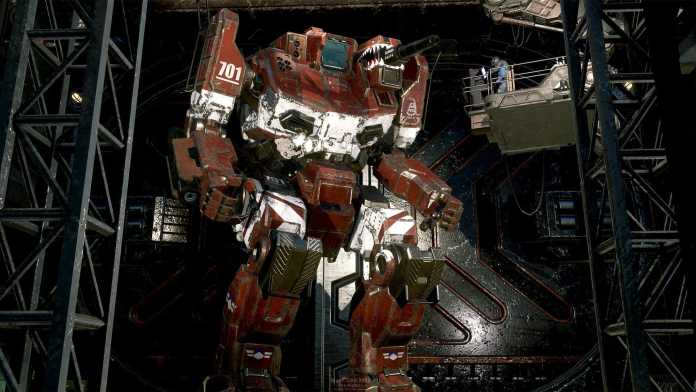
The game is such a hybrid, it borrows all the best parts from RTS, artillery, tower defence, Worms and the final product triggers the same response in me as FTL: Faster than Light where you are frantically juggling a lot of systems in real-time, constantly putting out metaphorical and literal fires, deciding on the fly what parts of your defence are important and which can wait, or even be sacrificed, in pursuit of your overall goal of defeating the enemy. The way it makes you manually move between each tower to activate its effect means you have to always be thinking and strategising, altering your plan moment by moment, on top of the original strategy you put in place when considering what to built and where.

I was blown away by Cannon Brawl and I’m in the rare position of not having the slightest negative thing to say about it. I loved it. 10/10. The most 10/10 of the 10/10s I’ve given out in my time writing for this site. It’s a strong recommendation from me.