Review: Cannibal Cuisine

My video review with footage captured on my Xbox Series X, enjoy!

I find it amusing that most people run a mile from challenging and hectic jobs. However, when they have the chance to do it in a video game, they jump at the opportunity. Cannibal Cuisine follows in the footsteps of Overcooked, Tools Up!, and Moving Out. It has a wonderful twist on the action and is brutal, tough, and amusing. If you love the genre, you’ll know exactly what you’ll get, but how does it compare to its peers?

Developed and published by Rocket Vulture, this is a cooperative and competitive solo or multiplayer experience. You must control a band of tribal warriors who slay tourists to create sacrifices for their gods. The action begins at a nice, gentle pace, but it soon becomes hectic and painstakingly difficult. Subsequently, you’ll need a hefty slice of luck, a strong plan, and a methodical mind to be victorious. 

Cannibal Cuisine is conceptually sound and familiar. 

Fans of the genre will instantly recognise the usual mechanics, and this makes it brilliantly familiar. Cannibal Cuisine wonderfully incorporates some well-established elements into its gameplay, such as a star rating system, simple combat, and clear objectives. However, it also keeps things fresh by adding some twists to the genre standards. Each player has a special ability that reduces the difficulty when playing alone or supports the team when playing with friends. Consequently, this adds a layer of tactical nuance that many of its peers have failed to incorporate.

The main campaign revolves around a tribe and the ever-hungry Hoochooboo. These insatiable entities demand food, and they don’t care how you get it. Luckily, the lands where the tribes reside are teeming with tourists. These clueless holidaymakers don’t know it, but they are the key ingredient for every meal. You must combine an array of meats and vegetables, cook them, and present them to the Hoochooboo to score points. At the end of every stage, your score is calculated, and as long as you have 1 star, you can progress.

Quite the bloodbath.

Plenty of stages and many pitfalls. 

Like its peers, Cannibal Cuisine treats you to an array of levels. There are 4 islands to explore and each comprises 6 stages and one challenge event. You’ll visit a jungle, temple, beach, and a volcano. Each has a unique style and many deadly obstacles to overcome. Subsequently, no area is the same and you must adjust your approach to maximise your score and be victorious. Furthermore, the latter stages add an array of complex recipes! You must gather body parts and a plethora of ingredients to cook a tasty meal.

Alongside the main story, you can experience an Egyptian campaign called The Curse of the Scarab King. This was a welcome addition to the action, and it adds a deceptively difficult twist to the core concept. Here, you must slaughter mummies and gather exotic fruits to feed the beasts. Moreover, an array of traps and pitfalls makes this option much more challenging. Subsequently, veteran gamers will be punished and tested as they attempt to lift the curse.

Avoid the spikes and feed the beast.

Gather your friends!

Undoubtedly, this is a genre that excels in both solo and cooperative modes. However, the action flourishes when you play as a team. The developers have focused their efforts on making it a tactical team game and this is where you’ll get the most out of it. By working together, you can combine special abilities, overcome traps, and feed the Hoochooboo’s in record time. The maddening gameplay and hectic nature of the action all but guarantees arguments and fallouts. Consequently, you may wish to settle your differences in the competitive multiplayer mode.

Designed to be played online or couch co-op, this addictive option quickly becomes heated. You play 1v1 or 2v2 as each team shares the stage and resources. You have one aim in mind and that is to score more than your opponent. This was challenging, fun, and as infuriating as playing Monopoly! Furthermore, it’s wonderfully moreish and rounds are short, so this is a perfect casual title.

Cannibal Cuisine looks familiar. 

Much of Cannibal Cuisine’s elements are a fresh twist on well-trodden and much-loved mechanics. However, its graphics are very much “run-of-the-mill”. Now, this doesn’t mean they are poor or bland. No, they are not! They are very good and striking and match the theme perfectly. Yet, where I was disappointed was the lack of originality. What was presented looked similar to its peers, and this was frustrating. So much of Cannibal Cuisine is unique and this makes it stand out. Sadly, its graphics do not shine. 

Luckily, the taste of disappointment doesn’t linger thanks to the wonderfully themed audio. The quaint and upbeat tribal music is combined with some crunching sound effects and amusing noises. I adored the finer details and the brutality of the tourists being bludgeoned. This was supported further thanks to the fiery rock spitting Hoochooboo’s and the sizzling food on the spits. The cruelty of the sound effects makes this an amusing title to play. 

The water is not your friend.

Simple controls, but easy to mess up. 

With only 4 commands to master, this is a simple game to pick up and play. Yet, I still struggled to familiarise myself with them. I repeatedly threw punches instead of grabbing an item. I also lost count of the errors I made with the special abilities. However, these frustrations quickly dissipate if you play it regularly. Therefore, casual gamers must be prepared for some frustrating times as errors will occur. 

Cannibal Cuisine is unbelievably addictive and fun to play. Yes, the action can be overwhelming and challenging, but this makes it increasingly moreish. With 30+ stages, 120+ stars, and a fun and competitive multiplayer option, this has both longevity and replay value. 

Cannibal Cuisine is an excellent addition to the genre. 

There are many great titles in this category, and Cannibal Cuisine is one of them. It’s an excellent addition to the genre and a must-play title. It excels in nearly every department and that’s why you should buy it here! The Hoochooboo’s are hungry and you have a surplus of tourists. Kill two birds with one stone and remove your problems once and for all.

Win a Muse S (Gen 2) and Premium Subscription

Following on from our review of the Muse S (Gen 2), we have one to give away, along with a premium subscription.

Using advanced EEG technology to respond to your mind, heart, and breath, Muse S is a comfy brain sensing headband that helps you understand and track how well you focus, sleep and recharge so you can refocus during the day and recover each night.

Immersive and intelligent sleep soundscapes (aka Digital Sleeping Pills), personalised insights, and forget-it’s there comfort give you the ultimate home sleep support. 

How to enter to win

We have a Muse S (Gen 2) and premium subscription to give away, enter below: 

Win a Muse S (Gen 2) and Premium Subscription

The contest closes at midnight on 10th February 2022.

This contest is only open to those in the UK – sorry!

You can learn more and order one from the Muse website here.

And thank you to our friends at Muse for the prize.

3 Gifts Any Tech Lover Should Enjoy

0
Image Credit: Couleur from Pixabay.

Getting gifts for people can often be more stressful than it’s worth. If you have multiple people to buy for, then that’ll be especially true.

Everyone wants to avoid that. It’s often not worth the effort otherwise. A lot of people struggle with how to buy a gift for someone that the recipient will like.

Keeping their interests in mind will be helpful. You can cater to this, which should make sure that they enjoy the present you get them.

When it comes to a technology lover, there are more than a few options to choose from.

Top Gifts For Any Tech Lover

Professional Tech Toolkit

Many tech lovers tend to like taking things apart and putting them together again. If the gift recipient likes this, then you’ll have more than a few gift options for them.

Getting them a professional tech toolkit can be one of the better recommended. There are multiple choices on offer, many of which have quite a few tools included.

It’s worth keeping in mind what kind of equipment the recipient likes to work on. Certain options might be better recommended than others.

Tailoring the decision to their interests is vital. Once you do, they should get more than enough use out if it.

High-Quality Microphone

Gamers and other people use microphones with their consoles and computers for quite a few things. With gaming, it’s typically to chat with friends while playing.

There can be multiple other reasons why they could use one. It’s worth getting them a high-quality one.

If the microphone they have is relatively basic or old, then you could replace it for them. Taking this approach should guarantee that they’ll use it.

You should compare different options to see which is the most appropriate option. This Audio Technica AT2020 review can be a great place to start.

Foldable Drone

Drones have become increasingly popular in the past few years. When they first hit the market, they were quite expensive.

That’s no longer the case, as they’re much more affordable than you’d think. While there are still expensive options on offer, you wouldn’t have to go for these if you don’t want to.

Foldable drones can be well-recommended. These will not only be more affordable, but they’re easier to transport.

If the gift recipient has a habit of traveling, then they might prefer this. They can take the drone with them and use it much easier than the bigger, bulkier ones.

Gifts For Any Tech Lover: Wrapping Up

Getting gifts for a tech lover doesn’t have to be difficult. You’ll have more than a few options to choose from.

When you’re doing so, it’s worth keeping what they already have in mind. The tech that they already have can give you ideas for what accessories and other things to get them.

If all else fails, you could consider asking them what they want. While that gets rid of the surprise, it’ll make sure that you get a gift that they end up loving and using.

Review: The Book of Boba Fett – Episode 5

I am writing this opening just ahead of pressing play on the latest episode to ‘The Book of Boba Fett’ and I am nervous. I am nervous because I loved the opening two chapters to this story and started to lose my smile with episode 3 and then last week, I was kind of bored. Whilst it was lovely to see the early partnership of Boba and Fennec with some love moments for Fennec standing out, overall, I am very bored and tired of this family friendly “binding my time” style for Boba. Now I am sure before we reach the finale, we will see Boba going all out but this is the 5th episode and I need to see a glimpse of the Boba Fett we saw in the second season of ‘The Mandalorian”, I need to see the most feared Bounty Hunter in Star Wars causing others to fear him. The tease at the end of Episode 4 did make me smile, but now it is time to see if that tease helps get this show back on the track I need and hope it will now take!

That tease leads into the best episode of this show yet but also brings one hell of a problem as well. It was a tease that was as close to a real time response to the audience feedback ever since this show began at the end of 2021. This is an episode full of Star Wars lore delivered in an exceptional way that only the Disney Plus Star Wars shows have been able to deliver in the last decade. It reminds the audience immediately why Star Wars is a wonderous universe capable of telling a variety of stories with emotion for the characters and the audience and this episode, had me grinning like a kid from ear to ear for the entire run time of the episode, this was the story I needed to have for Chapter 5 of ‘The Book of Boba Fett’. So just what is the big problem it created? It never features Boba Fett.

This entire episode is all about the returning Mandalorian Din Djarin, who we last saw at the end of the second season finale, watching as Luke Skywalker took Grogu away in a turbo lift. I just like millions of other fans of ‘The Mandalorian’ expected not to have a “what happened next” moment but instead we have Chapter 5 of ‘The Book of Boba Fett’ which is all about him. I am not kidding when I say that as the episode opens with him back to what he does best, hunting a bounty. Immediately the others there are fearful of him, just his mere presence puts them all on the back foot and nervous, something missing from Boba Fett and there lies the problem. This episode works better because it does not feature Boba Fett. This episode quickly puts the audience into the same world of Din Djarin, from the moment his bounty asks if there are options and getting the “I can bring you in warm or I can bring you in cold” reply.

It is no surprise that one of the reasons why this episode feel made me feel like I was watching the opening episode to Season 3 of The Mandalorian is because this chapter was directed by Bryce Dallas Howard, who directed episodes of The Mandalorian and so the vibe, the tone and the very essence of this episode manages to completely lift it out of ‘The Book of Boba Fett’ that you forget for the best part of 40 minutes that you are supposed to be watching that show. This shows the weakness of Boba Fett’s story so far with now just two episodes remaining after this, to round off and either finish Boba’s story or do enough to suggest another season is possible.

I am truly astonished at just how much this one episode manages to accomplish and it is simply thrilling to watch Din once again. We see he has returned to his Bounty Hunter ways but as before, Din will take a job if it gives him information, this time he is once again searching for his Mandalorian tribe led by The Armorer. Once found, we learn that the Beskar Spear he used to defeat Moff Gideon is frowned upon as Beskar is only supposed to be used to make Mandalorian armour and this spear can pierce Beskar Armour. Din quickly offers it up to be melted down to make armour, but he has a request, that it be used to make something for a foundling, one foundling in particular…Grogu.

The attachment Din has for Grogu is as strong as ever, and even when told by The Armorer that a Jedi must forgo relationships, for Din is this against the way of the Mandalorian and so he seeks to find or at the very least visit Grogu, something that underlines everything in this story, his need to see him again. Then there is the Dark Sabre, something that Din has kept possession of and is trying to learn how to wield it, in the opening fight to collect the bounty, he injures himself with the blade, unable to control what appears to be the weight of the blade. When with the Armorer and revealing that he does now possess it, a short training sequence shows that with every swing, the blade is getting heavier, making Din struggle to use it and is quickly defeated by her. She explains that he must learn to use the Dark Sabre to fight his enemy but right now he is fighting the Sabre just to use it. The best way to describe it would be to say it is like Din is holding a Katana sword, but it swings like a heavy broadsword. This shows us that Din has some work to do to fully master this sword, made more obvious when he is challenged in combat for ownership of the Dark Sabre which he manages to win but then serves another callback to his story.

We also see the penalty for that beautiful moment in the second season finale where Din removed his helmet so Grogu could see his face for the first time, but we know that his creed forbids the removal of the helmet by an enemy of himself, when he confesses he is cast out of the tribe, told the only way to atone is to visit the waters underground of Mandalore itself, an impossibility with all the mines closed so Din believes but now he is cast out by the tribe, no longer able to call on them for help, he is now alone but creates such an interesting possible redemption story arc for his next season.

The majority of this episode is about Din finding a replacement for the Razer Crest (im still not over its destruction) as the humor that has worked so well for The Mandalorian but fails in The Book of Boba Fett with Din forced to fly “commercial” as he has no ship but returning to Mos Eisley we learn that he is there because fan favourite Peli Motto, has been looking for a new ship for him. Here we see a throwback to the Phantom Menace as Peli has been able to obtain, though still in much need of repair, an N-1 Light Starfighter from Naboo, and whilst Din has his doubts and still hoping for a new Razer Crest, after working with Peli to both repair but custom build a brand new super-fast and agile ship. Now I have to give full and amazing credit here to Amy Sedaris who portrays Peli with so much humour and humanity along with the droids including a brand-new addition in the form of a BD unit which those who have played “Jedi: Fallen Order” video game will instantly recognize, and once again using Disney Plus shows to make so much of the new Star Wars universe canon. This entire sequence of Din working with Peli and learning that she once dated a Jawa who are rather furry was a delight.

Just everything about this episode is a reminder of why and how good The Mandalorian is but it does show just how weak The Book of Boba Fett is in comparison. Yes, this episode is a complete filler as the only connection to Boba Fett is the appearance of Fennec at the end, offering credits for Din to help Boba as muscle, to which he simply says he will do it on the house, but he has to visit a little friend first just hits all the right fanboy elements. That and the fact Peli removed the usual Astro droid compartment on the new ship and just happened to build something very Grogu sized instead just teases so much for Season 3 of the Mandalorian.

This Chapter works on every level but highlights so many failings in Boba’s show. We now have two remaining episodes to get the job done and this distraction is on such a massive scale that when the credits role on the finale to ‘The Book of Boba Fett’ I like many other fans will not be hoping for a teaser for a second season, but very much hoping it will be a release date for ‘The Mandalorian’ Season 3. I understand why they did an episode like this but for me, it certainly shows that the focus is more on building the return to The Mandalorian and adventures of Din and Grogu than to do anything more than tell a single story for Boba Fett.

Review: Aspire: Ina’s Tale

Sleep is a weird and wonderful thing. It is one of our greatest mysteries, and it’s for this reason many developers are obsessed with it. Moreover, surrealism paves the way for some bizarre and original ideas. Therefore, it always intrigues me when this is a core concept in any game. Aspire: Ina’s Tale takes this to the next level in its dreamy gameplay and classic side-scrolling action.

Developed by Wondernaut Studio and published by Untold Tales, this is a platform adventure title. It has striking visuals, emotive audio, and a strange plot. However, many of its mechanics are dated, and this somewhat undermines the beautiful finish.

Aspire: Ina’s Tale is weird, but it plays it safe.

The dreamscape concept isn’t new. Developers and producers alike have utilised it for years and I’ve come to terms with that. You may think it lacks originality, but this is one theme that keeps producing amazing content. The bizarre nature of these ideas allows any creative mind to do as they wish, and that’s fine by me. Aspire: Ina’s Tale makes the most of this freedom, and I enjoyed its unusual ride.

You control Ina, a young girl who has awoken in an unknown land. She doesn’t know why she has been captured but knows she must escape. Sadly for her, the tower is alive, and it needs her to stay in an eternal slumber to survive. The power and traps used to hold its victims’ prisoner are also its downfall. Subsequently, Ina must harness new abilities and overcome obstacles to escape this dreamy world.

Don’t worry about the creepy statue.

Sounds exciting, but it’s very run-of-the-mill!

The plot sounds exciting, and as the opening cinematic ended, I couldn’t wait to start. Yet, as the action rolled on, I was left feeling underwhelmed. The promise of an exciting and unusual adventure was replaced with a standard and well-trodden blend of elements. Now, this isn’t a bad thing, however, I expected it to have more flair and to evolve past the norm.

Much of the gameplay focuses on gathering orbs to power platforms, unlock doors, and so forth. You must place these coloured crystals in receptacles and, in turn, these will open your path. There are many to collect, and each has a different role to play. The most noticeable and well-used was the unlocking of doors, or the energising of orbs. This was a key component within the gameplay and was also used to support a secondary layer.

Alongside the normal unlock to progress mechanics, there are moments when Ina is chased. Gargantuan monsters attempt to capture her to fulfil the tower’s wishes. Therefore, you must escape! Using the power of the orbs, you’ll lock doors and move platforms to hinder their progress. Furthermore, the scenery becomes a key component in escaping their clutches. These additional moments were essential in breaking up the standard platforming gameplay. Consequently, it added some much-needed depth and variety to the action.

A world that is full of beauty.

Aspire: Ina’s Tale is visually spectacular. 

It’s rare that an indie game is jaw-droppingly beautiful. However, Aspire: Ina’s Tale is spectacular. Its crisp lines, vivid colours, and varied landscapes make it a treat on the eyes. Each area you explore is interesting and unique, and the characters you encounter add to the wonderment. The developers have done an incredible job of producing a polished and awe-inspiring game.

The surreal and bizarre plot is infused into the action thanks to the airy soundtrack. The soft, yet dramatic music plays throughout, and its pace and tone reflect each unique moment. On top of this, there are some unusual sound effects that add to the dreamy nature. 

The audio and visual elements of Aspire: Ina’s Tale make it stand out from its peers. It’s laced with emotion while being utterly beautiful. I fell for its charms immediately and I loved the unique world I explored. 

So many moody images.

Cumbersome controls. 

I’m not sure if the lethargic controls were deliberate, but I’m certain they will be divisive. Ina is a young and scared girl who is running for her life. Therefore, it’s understandable that she would move a little tentatively. However, every action feels drawn out, and this makes it frustrating to play. Her clumsy approach to overcoming the simplest of obstacles was annoying! The developers should have made this much smoother, as it would enhance the experience. Moreover, the button mapping could have been simpler. Utilising the same button for each orb you collected was unwise as it made it difficult to select the correct one. These complaints are minor, but if it was tidied up, it would make it more user-friendly. 

Sadly, there are more shortcomings in this wonderful title. Its short time frame demands around 4 hours of your time and this wasn’t enough! With such a beautiful world to explore, I wanted much more. Unfortunately, this impacts both its longevity and replay value. Fortunately, though, the first run is so enjoyable that it’s still great value. 

Aspire: Ina’s Tale doesn’t go far enough. 

With such potential on show, it was disappointing that Aspire: Ina’s Tale didn’t go far enough. I desperately wanted to see it evolving, but this was never to be. The developers played it safe, and this was at the detriment of the end product. Though it could have been spectacular, it was still great, albeit very familiar. I enjoyed it and I recommend you to buy it here! Will Ina escape the clutches and attention of the tower? Grab the orbs, solve the puzzles, and avoid the attention of the beasts. 

Review: Serious Sam: Siberian Mayhem

It was just earlier this month that word got out that we were getting a new Serious Sam game, and I honestly couldn’t believe it. Can you imagine if companies only announced their games when they were about to be released? No more delusions created by hype, no more waiting in dread to learn more about that game you really want to get your hands on but you’re probably going to have to wait months, if not years, just got get a sneak peek. Lo and behold, Croteam and Devolver Digital have done just that.

Serious Sam: Siberian Mayhem is the newest entry in this much-beloved franchise, but contrary to previous games, this time the work hasn’t been done by Croteam. Originally created as a mod, Siberian Mayhem ended up becoming a standalone expansion to Serious Sam 4. With oversight from Croteam, this new instalment was developed by Timelock Studio, a studio formed by a group of hardcore Serious Sam modders from the Russian community. When I learned about the people responsible for this release I definitely got excited to see what such experienced fans would put out into the world, but maybe that was just me being overly excited.

Since this is a standalone expansion, that means that not only do you not need to own Serious Sam 4 to buy and play this, but you also don’t really lose anything if you just play this instead. Sure, it helps to have some context, but given the story of Siberian Mayhem, you won’t be at a disadvantage if you jump into this blind. The story is pretty self-contained, but to be honest, is there actually someone who plays Serious Sam for the story? Regardless, I’d also argue that the fact that the game just costs  20€ is also a big incentive to jump straight into this one if you’ve been waiting to dive into Serious Sam 4.

While Siberian Mayhem isn’t going to win any awards thanks to its narrative, the game still retains the characteristic humour of Serious Sam. There are a few times when you can sneak and listen in on guards chatting among themselves. It’s really funny to hear them talk about Sam as if he’s some otherworldly entity capable of massive destruction, which to be fair, he kinda is. 

In terms of setting, the game takes place in Siberia and features massive battles with a ridiculous amount of enemies, as tends to be the case with Serious Sam. Contrary to what one might think, Siberia isn’t just snow. You’ll be fighting across forests, abandoned villages, a refinery, and a forsaken town. As far as level design goes, the game makes good use of these locations to provide a decent back and forth between open areas and more tight arenas with huge hordes of enemies. Exploration is also rewarded, even in the far edges of each map where it might seem like there’s nothing there. There are plenty of secrets and hidden stashes of ammo and other pickups waiting to be found.

The game populates itself with countless enemies waiting to be slaughtered in whatever way you find the most fun. While most are returning enemies of the series, there are some new additions. Likewise, most of Sam’s arsenal is also being reused, and although there’s an AK, a crossbow, and a raygun that are new, they just feel like replacements of other weapons that were available in the original game. However, at least there’s quite some fun to be had in the few segments of the game where you get to drive around a tank and use the mech to obliterate Mental’s minions.

Whether you’re playing solo or with 3 other people in co-op, the game encourages you to constantly switch between weapons if you want to be efficient. Using the rocket launcher or the minigun can make good work of an enemy wave, but perhaps it’s better to just switch to the grenade launcher to make sure that you hit the wave right in the middle, where it hurts. Whatever your favourite weapon ends up being, blowing up enemies and watching them turn into red floating mists never gets old. Siberian Mayhem is 100% fun guaranteed.

Overall, I enjoyed the 6 hours that it took me to complete the game on Normal, but it does feel like the developers played a bit too safe. It’s Serious Sam alright, it’s the Sam Stone who we’ve all enjoyed throughout the years, but having only 5 levels, leaves me craving for more. I don’t mind that we’re just getting 5 new levels, it’s just that there isn’t anything too crazy or unique about them, except for a few memorable moments. I get it, it’s a Siberian themed expansion, but still, it could have definitely used a bit more variety.

Ultimately, if you’re a hardcore Serious Sam fan, I’m sure you’ll have a jolly time with Siberian Mayhem. However, if you were hoping for this to be the next big iteration of Serious Sam, or for this to be groundbreaking in any way, then I’m afraid you’ll be disappointed. As a fan of the series, I definitely think that the game justifies its lower price, but I’m sure some people may disagree on that. Either way, I look forward to seeing what Timelock Studio and Croteam come up with in the future.

Review: Muse S (Gen 2)

Here is our review of the Muse S (Gen 2).

Using advanced EEG technology to respond to your mind, heart, and breath, Muse S is a comfy brain sensing headband that helps you understand and track how well you focus, sleep and recharge so you can refocus during the day and recover each night.

Immersive and intelligent sleep soundscapes (aka Digital Sleeping Pills), personalised insights, and forget-it’s there comfort give you the ultimate home sleep support. 

What’s in the box?

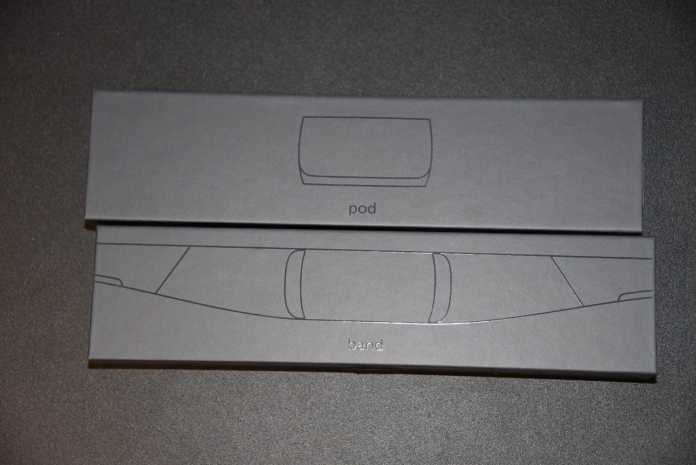
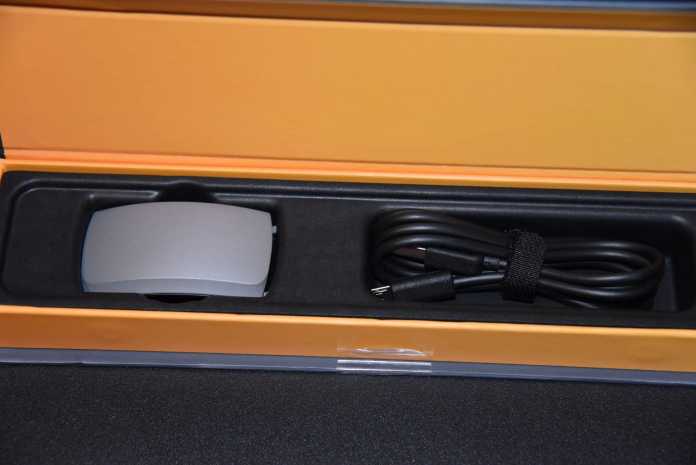
The box contains the Muse S headband, the pod, USB charging cable and guide.

A Closer Look

Using the Muse S

In order to use the Muse S you need to install the Muse: Meditation and Sleep app, which is really easy to do. Then you follow the steps to setup and configure the Muse S.

Final Thoughts

I’ve been curious to try this type of device for a while, so when I was offered the opportunity to review the Muse S (Gen 2) I jumped at the chance.

The Muse S comes in a nice box that opens up to two additional boxes, one containing the headband and the other the USB charging cable and pod. Once you have charged up the pod (and the battery lasts for several nights) the next stage is to download and install the app and follow the simple steps to set up the Muse for the first time, this includes sync’ing the Muse with your device, fitting the Muse comfortably to your head, and a number of other settings.

One thing that I assumed would possibly put me off was trying to sleep with a headband on, and especially one with a pod on the front. I was pleasantly surprised when after a few minutes I forgot it was even there! It’w worth pointing out that the headband itself can be washed to keep it clean and fresh!

All of this is very quick and easy to do and then it’s time to test it out.

The Muse can just record all your readings, which on it’s own is very useful, but the real additional benefits come from the immersive and intelligent sleep soundscapes (also known as Digital Sleeping Pills). The idea of these is to help you fall asleep and then to fall back asleep if you wake up, and they work really well!

You can choose the DSP that suits you best – there are lots to choose from so it’s worth given them all a go to find out which one or ones work best for you. Personally I find listening to the Thunderstorm DSP works best for me.

Talking of readings, the Muse S records various readings, including sleep tracking information, position tracking, EEG, heart rate and more. The readings are stored and are easy to access and to see what you have been doing. The app also gives you a score and guides you to make your score better, which at the end of the day is what you want and need. You earn points for everything you do so you can set yourself targets. There are some great guides for helping with breathing too and you can instantly see and hear the results.

Even after a single night of use I found that I had slept a little better – and the more I used it, the better sleep I had. Looking at the stats from those first few nights were a bit of an easy opener and so it was great to be able to figure out what was causing some of the sleep issues and to help fix those issues. For me, a lot of those were taking time to fall back asleep if I woke in the middle of the night, and the DSPs really helped me to reduce the time it took to fall back asleep.

The Muse S comes with a number of features and guided meditations, but if you then add the Premium Subscription and you get so much more! Subscribers gain access to Muse Biofeedback+ and over 500 Guided Meditations from renowned meditation instructors including collections like sleep, performance, stress, and more. It really adds to the whole experience and is worth checking out.

If you have sleep issues, or you want to know more about what’s happening when you sleep, or you want some meditation help, then you really should take a look at the Muse S (Gen 2), it’s made a real difference to my sleep, and it could do the same for you too!

The Muse S (Gen 2) is available now priced around £329.99.

You can learn more and order one from the Muse website here.

Review: PopSlinger

0

Get ready to travel back in time with PopSlinger. Where the music is motivating and it’ll have you grooving to the beat as you play the game. It’s a totally fun, arcade-style game with a classic look of the 90s and plenty of enemies to shoot at. The hero of the game is actually a woman! Ria is gonna be our character to play through each level, using her soda-powered weapon to destroy these colorful invaders. Don’t worry with a special hit of one button, you can get another heroine, a former Popslinger named Gin to appear and help take the villains down.

The game is fully colorful, filled with an animated and cartoony style appeal. Plus, if you remember playing some classic games on old consoles or arcade games, possibly think of Megaman X, or like a 2D style game that allows you to move forward only if you destroy every villain in that section of the game, that is what you have here. Plenty of waves to defeat enemies and new sections of a world to visit and help destroy these enemies. All you need is a never-ending, powerful weapon like the soda-shaped gun and you will be able to get closer to the goal, saving the world.

My First Impression

PopSlinger first reminded me of many classic arcade-style games, which I’ve played growing up and still do. Its music is just as stated in the description, very motivating, and brings the game to life! However, I’m not too much of a big fan of the gameplay. Where one must stop at every new wave or section of the game, till all the enemies are defeated. Even though it’s not a game style I’m fond of, but it still isn’t too bad since there are some interesting parts that live it up!

Actually, one of these parts is the new color pattern you must put together. The 4 of the same enemies destroyed in a row allow you to get help from Gin our friend to help you defeat these enemies. Something with a pattern of the colors by defeating enemies in a row of four. You’ll enable Gin to have a new power. She will either have your back, shooting at the location you summon her. However, this isn’t always helpful and can be just a waste of time if it’s not positioned correctly. Since she ends up shooting nothing most of the time. The other two depending on the colors you shoot in a row of enemies, you can get a bubble to protect you until it pops. Makes me think of Sonic in his bubble, one hit and it’s gone. The other and last one is where she is flying above you a bit and able to help shoot when you shoot. Double the soda-gun shooting power. This is possibly the best out of all the other options, which really does something for us, helping us defeat enemies way more than any other special ability.

I guess there was a reason I felt the game made me enjoy it a bit. As it came to life for me at the time when words appeared with each movement and when using the weapon. What words, well the ones you’d read in a comic book. I felt like I was playing each level as if it was in a comic strip. The background style even fits the part quite well. Plus, when the enemies come in through these dark transporting doorways, I just go ahead and POP them with my soda gun, which I’m loving the comic strip style visual effect and response with each movement.

Oh and the soda-gun comes in so many different flavors, with better shooting power! It all is obtained when defeating the enemies, especially the bosses. Who doesn’t like cola? Now it’s the powerful guy you use to shoot and help defeat enemies. The best part is you can go back and work on the worlds you’ve accomplished and do them a bit better now that you are equipped with some better weapons!

Oh and as mentioned before, that this game is filled with heroines; Two heroes that are female. It’s a nice change and still just as fun. There are no males and females, it’s just two women who are defeating the invaders coming to destroy the world, which we are trying to save. Don’t get me wrong, I don’t mind if it was men as the heroes or any other mix of the sexes, but it definitely a nice change and yet, still perfect for anyone to play.

Last of the goodness, with a simple movement of the control buttons, it’s not hard to forget how to play or how to play when picking it up at any part of the stage or level you enter. The character, Ria who we are playing is simple to move around and doesn’t really need much work to shoot or know how to shoot and get our friend to be in the game to aid us when we need her.

One thing I did have to ask myself. Are there been any negative features? I can’t say everything was perfect. Even if it’s based on a time period of excellent music and vibrant color as well as effects. I felt the blurry vision can be a little much and didn’t need to keep that design. Even if it’s related to an older style game, how it’s going back to the 80-90s style game design. I don’t think the blurry or fuzzy look had to stay.

Plus, for a control button that allows us to dodge the enemy, it doesn’t really work the way it should. Maybe when defeating the bosses, but the regular gameplay just doesn’t aid in any protection or help. Therefore, that is one button I tend to not use as often since it causes me to be defeated so much quicker. Yet, it doesn’t just stop there, Gin isn’t as helpful either. She can’t shoot far, like our weapon. it only shoots at a short distance.

So when we are looking forward to calling her to aid us, once we get the 4 colors of Villians destroyed in a row, well her abilities aren’t super helpful. For example, if you get the purple color enemies in a row, it doesn’t really help us when she’s shooting just in the air and not even near or by any of the villains; enemies in the game. It’s a bit of a waste and I guess I wish it could be improved some. SPlus she is shooting one way to the right, not even to the left. It is useful to help stop some coming from the left side, not all on the right of us.

When we use the yellow and get the 4 enemies in a row, we can use it to get a bubble. However, that bubble only lasts one time. Once it gets popped, we are totally doomed. We would be better off if Gin could give us a bubble that would protect us for 30 seconds or a minute than just when many are attacking at a time and one hit and it’s gone. What’s the point, we have such a short life span, we are defeated so easily.

The last is the color red, which is the only one I do like. It actually allows her to fly above us and help us shoot while we shoot. However, the one last problem is just as mentioned above, the short lifespan. our cards will end up fading fast in the beginning. You really need to be prepared to be destroyed sooner and it is great to achieve a larger lifespan sooner in the game, as it is a bit harder to move forward so easily. I guess it’s not a great game for those who want to be able to move through the levels quickly, they can be a bit hard, especially by the design of the weapon and life we have.

Arcade Fun from Start to Finish

Finally, what can I say? Well plenty, because it was a good game, just not that exciting or long-term entertaining. It’s missing a few things which could put it over the top. I feel it was a bit lacking in weapons, the use of our friend Gin, and even just the difficulty can be a bit much, especially with the final grading at the end. Maybe it’s me, cause I don’t mind games like these. However, it’s just something I wish could have added or changed just a little bit to make it stand out somewhat more and be even better than it is right now!

Review: MouseCraft

My video review with footage captured on my Xbox Series X, enjoy!

If you are a gamer of a certain age, you’ll have fond memories of classic and testing puzzle titles. Can you remember the brilliance of Lemmings and the addictive action of Tetris? If you can, how would you feel if the two got it on and created an eclectic, yet amusing, love child? MouseCraft is the fruit of their loins and it’ll test your spatial awareness and logical thinking.

Developed and published by Crunching Koalas, this is a colourful problem-solving title. It was originally released on PC in 2013 and drip-fed to consoles ever since. Xbox gamers need to wait no longer and I couldn’t wait to see what it’s all about.

MouseCraft twists long-established feuds. 

If you were to tell me that a cat and mouse would work together, I’d laugh in your face. Yet, in MouseCraft, the protagonist is an intelligent cat and his minions are lowly mice. The cat is professor Schrodinger, a mad scientist. He has created mice-powered inventions with the aim to unlock a mysterious power. He utilises a band of 3 mice on each level and hopes all three survive the ordeal and make it to the cheese.

The concept behind each stage is simple; you must drop Tetromino bricks to create paths to get the mice to the finish line. En route, you’ll encounter enemies called Ratoids, traps to avoid, and scenery to blow up. Like Lemmings, you must control the flow of your troops to keep them alive. You must decide when to craft new paths, and when to let them be. It takes patience, a logical mind, and a fair bit of luck. If you love a tricky but fun puzzle game, then this will get your juices flowing.

The wonderful professor Schrodinger.

Plenty of content. 

Though the action hasn’t changed much from the original release, there is plenty of content to keep you busy. With 80 levels to overcome and plenty of drip-fed mechanics, you won’t become bored. Furthermore, collectables have been added to most levels, called Anima shards. These valuable commodities must be gathered in order to progress. It was an excellent addition to the gameplay that made it just a little harder.

As you become familiar with each new element, another layer is added. Whether it was a change in scenery, special powers like explosives, or the introduction of Ratoids, you never got comfortable. The Ratoids are particularly annoying as they are one of Schrodinger’s failed inventions. These evil mechanical rodents destroy everything in their path and are a nuisance throughout. When they were introduced, it added time pressure and an element of danger.

Fortunately, though, Crunching Koalas aren’t monsters! You are free to pause, rewind, and fast forward the time as you wish. This allows you the freedom to think, undo errors, and experiment at will. It was a wonderful idea that reduced the need for a hint system. Though I don’t like trial and error in a puzzle situation, MouseCraft has balanced this perfectly.

Keep working through those levels.

MouseCraft still looks wonderful. 

When a game is 8-plus years old, you’d be excused for thinking it may be a dated mess. Surprisingly though, MouseCraft looks great! Its fixed-screen perspective allows you to scan the stage with ease and its characters are striking. Furthermore, thanks to its excellent UI, you can focus on the puzzles and nothing else.

A quirky and minxy title needs a fun and lively soundtrack. Fortunately, MouseCraft delivers this and more. Both Tetris and Lemmings have recognisable and brilliant soundtracks and this style is replicated throughout. It certainly isn’t as memorable, but its blend of songs and sound effects capture your imagination. 

Plan for those Tetromino bricks.

Forgiving controls. 

As you progress, the action becomes pretty hectic. Many cogs are moving, and this can become overwhelming. Fortunately, the forgiving controls alleviate some of this burden. Thanks to the time control settings and responsiveness, you can quickly and accurately counter the madness. Moreover, the developers have worked hard when porting this from PC to console. Thankfully, the gameplay benefits from their dedication, as this is easy to play with a gamepad. 

Thanks to the array of levels and a monstrous amount of collectables, this has both longevity and replay value. Every stage has a perfect score to aim for and this will challenge most players while driving them mad. Furthermore, a tough achievement list will test you throughout.

MouseCraft may be old, but it’s still relevant. 

When you first look at MouseCraft, you may worry that it’s not worthy of your time. However, this isn’t the case. Its classic mechanics, excellent aesthetics, and wonderful controls make it relevant for today’s market. It is a fun and testing puzzle title that’ll annoy and amuse you equally. I enjoyed the challenge and recommend you to buy it here! Will Schrodinger unleash the mysterious power or will his inventions fail again? 

Review: Chernobylite

Survival games thrive off deadly settings and grim scenarios. So, what better location is there than the doomed Chernobyl exclusion zone near Pripyat, Ukraine? Chernobylite uses the environment and its dire situation to fuel its science fiction ideas. Fortunately, its concept is so far removed from reality that issues surrounding bad taste never really arise.

Developed by The Farm 51 and published by All in! Games SA, this is a single-player survival-adventure title. Thanks to its Sci-Fi twist, the developers have implemented some wacky ideas. However, this is a dark, non-linear that leans heavily on standard survival mechanics, mostly.

Chernobylite is a tale of obsession and love. 

True love is one of the most powerful forces known to mankind. It’ll force you to do crazy things while breaking you when you lose it. Chernobylite’s plot revolves around one man’s desire to find his beloved, no matter the cost.

You control a physicist called Igor Khymynuk. He worked at the Chernobyl power plant at the time of the ill-fated disaster. He last saw his fiancée on that fateful day and now, 30 years later, he returns to the nuclear wasteland to search for clues and find his love.

Chernobyl looks eerily beautiful.

Strange goings-on. 

The action opens with you chasing a ghostly apparition of your missing fiancée. The timeline is skewed and subsequently; you flit between periods and realities. It was disorientating and confusing, but this is merely the tip of the crazy iceberg. The majority of the gameplay revolves around Igor collecting resources when he heads into the exclusion zone. However, he is not alone, and a motley crew of stalkers can complete daily missions to find vital items. 

The game uses a day/night circle. You complete quests and scavenge during the day, and eat, build, and socialise at night. The world you live in is an ever-changing biosphere that can go wrong at any time. Your crew are fickle and a lack of food, too many failed missions, or poor management will make them defect. On top of this, death is a very real threat.

Decisions have consequences. 

What I truly loved about Chernobylite was how every minor decision impacts your progress. You are free to interact with whatever you like and deal with situations as you wish. Yet your choices have grave ramifications. Sadly, murder is a given. Therefore, how will you deal with their friend when you meet them? Will you lie to them, tell them the truth, or try to negotiate? These are very real decisions you’ll be forced to make as you try to survive.

What if those decisions weren’t final and someone offered you a do-over? When you die, and you will, you are transported to an ethereal realm. Here you see every decision you’ve made, and how they are intertwined. With the mysterious power of Chernobylite crystals, you can bend space and time and alter your choices.

Work together to achieve your goals.

Interesting ideas but poor AI. 

The day/night cycle, the psychological impact, and the constant balancing of needs are fascinating. Furthermore, the introduction of base building at home and during each mission allowed you to create long-term and impulsive plans. 

Hoarding food, ammo, electronics, and mushrooms (the core ingredient in this game), was a fine strategy. However, it quickly becomes apparent that you must be flexible. Retaining supplies to build impromptu medicines, or to trade for valuable information, was key. It was an excellent balancing act between expansion and survival, and it never became tiresome.

Where Chernobylite struggles is its less than impressive AI. The supposed crack force of elite soldiers is meant to be terrifying and deadly. Yet, they never deviate from their set routes, nor are they very good with their weapons. Killing them lacks difficulty and unless you are unlucky, you can exclusively use the stealth mechanics. 

I found this element to be particularly disappointing, as I wanted to be tested and I rarely was. I expected there to be moments of tactical nuance, yet this was sorely missing. 

Chernobylite captures the beauty of Chernobyl. 

Visually, The Farm 51 has excelled with the environment and the real to life imagery. Having spent time in the exclusion zone, the team 3D scanned to deliver an accurate and eerie world. The iconic structures, dilapidated buildings, and fresh fauna highlight beauty in the darkness. Yet, for all its details, there is a glaring oversight. It is devoid of life! It is reported that Chernobyl and Pripyat are teeming with animals, however, none are seen in Chernobylite

I put this disappointment to one side as I enjoyed a blend of realistic and supernatural sounds. The Sci-Fi theme allowed the developers to create some ghostly otherworldly noises. Moreover, these juxtapose the natural sounds of crunching footsteps and heavy breathing. I loved the use of silence that ramps up the atmosphere and the Russian acting. This added a layer of authenticity that enhanced the grit of the story.

Can you upgrade your gear?

An excellent UI and well explained mechanics. 

Survival games thrive or fail depending on how easy they are to play and understand. Luckily, Chernobylite uses a brilliantly simple UI and an excellent inventory system. Furthermore, new mechanics are always introduced with a thorough tutorial. Consequently, rarely did I struggle to grasp the fundamentals. Within an hour, I was able to enjoy the more complex layers of the gameplay. 

In a title loaded with choices and consequences, you know it’ll keep you playing for hours. Moreover, an array of building options, upgrades, missions, and so forth, helps to create plenty of replay value. Therefore, if you love the genre, you’ll adore the non-linear story and the challenging scenarios you’ll face. It’s simple to learn, tough to master, and addictive as hell.

Chernobylite is an intriguing concept. 

Conceptually, Chernobylite will intrigue you. Its blend of Sci-Fi and clichéd moments are complemented by authentic dialogue and real to life visuals. There is much to love about this survival game and you’ll soon forgive the shortcomings. I loved it and recommend you to buy it here! Will you discover the truth about your fiancée, or will Chernobyl claim another victim?

Review: Flexispot Standing Desk Pro E7 Premium

Here is our review of the Flexispot Standing Desk Pro E7 Premium.

Dual-motor Lifting System

Enhanced structure and the advanced lifting system boost the loading capacity and ensure the maximum stability even at the highest setting.

Loading Capacity +78%

Powerful dual motors enable a maximum lifting speed of 3.8cm/s even under the full weight capacity of 125 kg. All this is easily achieved with just the touch of a button.

Steady, Quiet, Quick

Made with powder-coated steel tubing, our desk frame resists scratches and stains. The dual-motor lifting system and the enhanced structure could provide maximum stability even at the highest setting.

Anti-collision Function

The anti-collision function ensures safety by preventing the desktop from being damaged or crushing other objects and devices while in motion.

Cable management system

The desk has a smart cable management system that organizes cables. There is a large groove where you can tuck in the cables and wires within the frame for a tidy desk. Doing so will avoid any accidents like tripping or slipping that might occur from having a messy floor with loose cables. Plus, organized cables will help you to distinguish the correct wires of the gadgets that you have on your desk.

What’s in the boxes?

The desk frame comes in two boxes and the desk top comes in a separate box.

The frame boxes contain:

  • 1 x handset
  • 1 x control box
  • 1 x supporting beam
  • 1 x connecting cable
  • 1 x cable management plate
  • 2 x leg
  • 2 x feet
  • 2 x supporting plate

The desk top box contains the desk top.

Building the Desk

Final Thoughts

The desk frame comes in two large boxes – and they are heavy! Everything you need to build the desk frame is in those boxes, including the lifting mechanism. What would have been easier for the delivery guys would have been if those two boxes had their contents evenly split, but instead you get one larger and significantly heavier box and one smaller lighter box. The desk top comes as a seperate box too, so to make the complete desk you need all three boxes.

Once you have get everything out of the boxes its just a case of following the instructions to build it all. It took us about an hour to build it all, but it could have been done quicker if we had used an electric screwdriver at the end – to be fair, the instructions actually do say to use one!

The only problem we had, if you can call it a problem, was trying to figure out how the cable management plate fitted to the underside of the desk to manage all the cables as the image in the instructions wasn’t entirely clear but a quick email to Flexispot sorted that and once it was explained the image made more sense, so it was probably down to us!

With the hard part out of the way, and it really wasn’t that hard at all, the next part deciding where to put the desk and setting up the height. It’s very easy to move the height up and down and set a memory all with a simple push of a button. There is even a child lock button if you don’t want it moved accidentally.

Talking of accidentally, if the desk lowers onto something it will stop and raise itself back up – very useful so that something or someone doesn’t get squashed!

The desk is very quiet to move and it can take up to 125 kg so even a full PC setup can easily be accommodated.

The desk is really comfortable to use, has a lot of space and is really easy to position however you want it. My only criticism, and that’s also a strong word, is that there are two round holes in the desk top for cables but there are no caps provided so there are just big holes there which slightly detract from how good the desk top actually looks. You can buy caps easily for a few pounds that match but it would have been better to have included them in the box rather than having to source from a third party.

There are different styles and sizes of desk tops to choose from as well, so there is easily something for everyone – just select the colours and styles and order away.

The total cost of the review set we received was £469.98 (on sale from £539.98). That cost included premium keypad, silver frame and white 140x70cm curved desktop with delivery.

All height-adjustable desks purchased on or after October 5, 2016 include a 5-year warranty for the frame, and a 3-year warranty for the motor, controller and switch, electronics and other mechanisms.

You can learn more about the Flexispot Standing Desk Pro E7 Premium from here.

Flexispot is having a New Year Sale from 11th of January to 10th of February so there’s never been a better time to order that new desk, you won’t be disappointed, we certainly weren’t. 

Review: Aquamarine

You know how concept art is always way cooler than the final product? I’m thinking about the glorious pieces of artwork featuring Jack-Jack as a hideous hairy monster throughout the first The Incredibles movies, Obi-Wan and Anakin teaming up to fight a giant lava monster during their confrontation on Mustafar or Thor fighting Jormungander, the World Serpent instead of travelling to Nidavellir in Infinity War. All of these examples take some mind-blowing preliminary concept art and, as it’s developed into the final article, strip away everything that makes it charming and beautiful. There are obvious reasons why this happens in movies but when it comes to video games where you can use whatever art style you feel like, why not stick with that incredible concept art? Well, welcome to Aquamarine, a game that decided its aesthetic would be to take the concept art, bundle it into a design document and run for the hills.

Aquamarine’s art style sits somewhere between concept art and pop art, with every frame of the game looking like a hand-drawn sketch with incredibly vivid colours. I go on about how good games look an awful lot in these reviews but feel free to assume every game I’ve complimented on its appearance looks like absolute garbage compared to Aquamarine. Every frame of the game looks holy-cow-gorgeous (not that a religious bovine would look particularly good, but you get my meaning). It’s genuinely breathtaking. You might look at the screenshots around this review and think they look ‘just okay’ which is maybe a fair comment on them as pieces of art but when you experience them as a living, breathing world, their beauty is elevated exponentially. This stunning art style is paired brilliantly with a calm and twinkly soundtrack that makes the whole affair incredibly relaxing.

But enough about the game as art, what is it like to play? It’s pretty damn good. Aquamarine is a survival and exploration game but it’s not quite like any of those that you’ve played before. It’s the most chill survival game in the world. You play as an astronaut whose name I did not catch so I’m going to call her Cindy. Cindy has crash-landed on a Kamino-like watery planet and needs to reach her crashed ship. She can do that by diving through the water in her amphibious pod whose name I did not catch so I’m going to call it Poddy. With your help, Cindy and Poddy will explore the ocean floor to find fuel and food for their journey, acquire upgrades from scattered floppy disks and avoid taking damage from the grumpier ocean inhabitants.

The chillness of the game comes from the slow pace and emphasis on thinking before acting. When you boot up the game, the first thing you meet is a screen telling you to play without distractions, to take your time and make thoughtful decisions. It’s the absolute antithesis to your standard survival game set in a murky wasteland where you spend your first night crying in a hole you’ve dug in the ground. The game is loosely turn-based so nothing is going to happen in the world until you’ve decided what action you want Cindy to take. This makes the game really attractive to me as it’s something you can switch on for a few hours at a time and lose yourself in. If you subscribe to the idea that games are for relaxation (AKA the correct idea) then this is definitely something for you.

The majority of the game is movement-based so you can decide which section of a grid you want to visit to avoid monsters and pick up food and fuel. The more fuel you acquire the more you can move and the further from the island you can stray, moving between sections of the map using your long-range engines. You can also move up to the surface of the ocean to help you manoeuvre around tricky obstacles and dangerous enemies. The control panel you’ll use for all of this is a delightfully retro-sci-fi affair. It’s all very original series Star Trek with satisfying clicky buttons, meters and transitions to secondary control panels. Once you unlock further abilities, you’ll have more controls, such as an ability to smash into things, doing damage to enemies and loosening fuel from deposits. You’ll also travel back to your original island often where you can perform upgrades on Poddy and rest in your garden before starting on your next adventure. The gameplay matches well with the theming of the whole game – it’s stripped-back, simple and relaxed.

I wouldn’t be doing my job if I didn’t mention a couple of flaws in the game. It is very glitchy. I found a lot of buttons didn’t work until you tried them a few times or left the menu and went back into it, and a big blue rectangle kept appearing over the screen that stopped you from interacting with the game at all until you quit and rejoined. I’m writing this on release day so I’m sure these things will be fixed in good time but if you are thinking about picking it up (which I do recommend) you might want to wait a few weeks and check the bug fixes before you do.

Aquamarine is a delightful time. Calm, beautiful and compelling, it’s the perfect way to calm down and switch off after a long day at work, like a hot bath or a cold beer. There is so much going for the game that I’ve not mentioned here: Cindy’s brilliant narration, random risk-reward choices, the adorable seal monsters and so much more. If you like survival games but wish they were fun, Aquamarine might be worth a fair chunk of your time.

Review: Windjammers 2

With an inviting cartoon visual style and high-paced gameplay Windjammers 2 is a blast that you wouldn’t necessarily expect. This might be more down to a name that looks like it’s been jammed through a Japanese-English translator and sounds more like a breaking wind prevention method rather than a 2D frisbee game. A good amount of fun can be had in short bursts though, by yourself or with others, regardless of how much noise you make – public or not.  

A joyful explosion of bright colour greets you from the go and an upbeat soundtrack with a strumming bass and screaming guitars, like something pulled out of a 90s SEGA arcade title, blasts through your headphones, which appeals to the child in me that never wanted to leave the arcade, always wanting one last attempt. 

The gameplay uses a mix of table hockey and volleyball to arrive at its addictive frisbee formula. A 1v1 system provides a volleyball net and spike-based gameplay, walls allow for ricochet shots and goals spanning the length of each end.

It sounds relatively simple, but there is a multitude of ways to try and beat your opponent, meaning that games feel unique enough to enjoy extended playthroughs. Each throw fills up a power meter which increases the power of your throw and can be used for your special move when full. Disks can ricochet off objects on the midcourt net, can deflect into the air for you to jump and spike as well as other methods to get the disk in the other end other than a simple throw. 

In addition to the throwing abilities, each level adds a nice bit of variety to the gameplay with objects on the midcourt nets to make it into a bouncefest, and goals that offer differing points.

The format of the match ensures the action is also relatively brief, with best-of-3 sets and first to 15 points in each making them as tense as they can be fast. In fact, it’s these short matches that really bring everything together and push the pace. Like that overzealous game of table hockey with your buddies where the disk flies off the table and nearly hits a stray child, there is barely room for you to blink with competitors letting shots fly all over the place. The moment when you start to really pick up the game is a great feeling as you can turn the tide on a match that you are losing by double digits and on a dwindling clock.   

Adding to the retro stylings of the title is a clear Street Fighter influence which is really quite appropriate based on the intensity of the matches feeling quite like a fighting game in its ebbs and flow and round-like sets. The story mode’s map, vs screens, as well as bonus rounds all make an appearance, but unfortunately, it doesn’t translate much in terms of substance as the bonus stages have no significance at all as there is no scoreboard to tally your scores.

I tend to be one of those gamers that takes a while to adapt to unusual control systems, and Windjammers 2 is definitely one of those that I had difficulty getting used to, with an unfortunate mix of inconsistent mechanics and unbalanced characters. 

The sound effects from the special moves to the lines from each character, almost everything could have been lifted from a 2D fighting game, which really adds to the competition and addictive nature of the game.

The worst offender of these was the fact that I could never consistently predict how fast my throws were going to be. There are two ways to see the frisbee leave your hands at an increased rate – a full power meter and charging your shots by standing underneath a deflected frisbee – but there were still times, when unaffected by either, where I would throw a charged shot for no apparent reason. Regardless of whether it’s just poorly explained or a poorly implemented feature, not knowing why frustrates me to no end as it’s the key mechanic to the entire game. 

Adding to the difficulty of the title is just how precise you need to be with all the other abilities. Dashing, for example, is a very helpful ability to get you across court and is exactly what you need when trying to reach a frisbee launched in the air, but if you try to dash towards it too early you will simply skip straight passed it. 

The 12 character roster is host to a mix of characters with different speed/power stats (thin characters are fast but have little power while larger characters are the opposite) but I found the roster unbalanced as the larger characters take up enough of the court to negate any speed advantage and with their powerful throwing abilities it’s hardly a fair fight, so much so that I couldn’t even win a single game until I started using one of the bigger characters – even on easy mode.

It could be argued that this is just me being utterly useless at the game, rather than being any particular flaw, but there’s certainly no denying how tough it can be.

Windjammers 2 is a complete blast that excels in the same way that the original 1994 neo geo title did and with the local and online modes it really is an easy recommendation for fun pick-up-and-play evenings with others, but there are just a few niggling gameplay issues that prevent this from fulfilling its full potential.

Review: Kinduo

My video review with footage captured on my Xbox Series X, enjoy!

I love it when a game reinforces the benefits of teamwork. I’m not talking about sports or any other obvious genre. No, I’m talking about a cooperative puzzle game where each character relies on the other. Kinduo is the latest in a long line of titles that has tackled this idea. So, will it stand out, or will it be one to avoid?

Developed by Nibb Games and published by Ratalaika Games, it’s a colourful retro puzzle title. It offers an array of stages that must be completed solo or with another in couch co-op mode. Sadly, it doesn’t break the mould, and many of the core concepts are well-trodden or dated.

Kinduo has an insipid plot.

You control two elemental beings who must solve problems and unlock the exit. Each stage is presented on a fixed screen and subsequently, no problem is too challenging. I tackled most of the levels solo, and this made it a little cumbersome. As a duo, it is more enjoyable as you work in harmony to progress.

The elemental friends each have strengths and weaknesses and you must utilise their powers to complete each puzzle. One is super strong and they push boxes and electrical items to help reach new heights. The other is an athletic being who is incredibly nimble and can emit electrical pulses. As individuals, they’d never make it to the exit, yet together nothing can stand in their way.

Brrrrrrrrrrrr.

It is not tough enough. 

Now, I’m a massive fan of drip-fed mechanics! I love how it adds to longevity while giving you something to work towards. Fortunately, Kinduo has this perfected. New skills, equipment, and more complex stages await you as you create a methodical plan. However, there is only one problem… it’s not tough enough!

I’m no puzzle game aficionado, but I rarely struggled to find a solution. Nibb Games has made the stages so simple that it’s a walk in the park. If you happen to get stuck, a small amount of trial and error will show you the way. Unfortunately, the lack of complexity is its downfall! There aren’t enough dead ends, and the problems lack layers. Simply put, this is an entry-level puzzle game at best.

Don’t let the darkness put you off.

Kinduo is fun to look at. 

Kinduo looks to have been inspired by the NES and Master System era. The dated style produces a simple but fun finish that’s a little rough around the edges. Its garish tones and basic modelling may not be for everyone, but I enjoyed their unique style. The developers have incorporated a variety of landscapes as the game unfolds. Consequently, the gameplay benefits as it reduces monotony while adding some new challenges.

Sadly, Kinduo doesn’t avoid being repetitive as its audio is stuck on a loop. The same songs play repeatedly and this becomes increasingly annoying. Luckily, the music is broken up with some 8-Bit sound that nicely adds to the retro feel.

Neither the audio nor the graphics will set the world alight, but they have a certain charm. Fans of old-school gaming will love the fixed-screen perspective, smaller levels, and basic audio. Younger gamers, on the other hand, can enjoy a simpler experience.

Get those elevators working.

Remarkably easy to play. 

Switching between multiple characters can be troublesome. Yet, Kinduo was remarkably easy to play. Thanks to its simple button layout and tiny list of skills, you’ll master it in no time. Furthermore, the controls are responsive and this prevents you from making silly mistakes.

This minuscule puzzle game offers around thirty stages of straightforward action. As a result, you’ll need approximately 2 hours to finish this off. Unfortunately, it is lacking both longevity and replay value. If an NG+ mode was added, this would have increased the difficulty and the reasons for returning.

Kinduo needed more content. 

I liked many elements within Kinduo, however, it never went far enough. It disappointed me because of the lack of depth but I enjoyed it on a superficial level. I wish the developers had made it harder, but this wasn’t to be. As a starter puzzle game, it’s great and I recommend you to buy it here! Yet, anyone else may find it lacks content or challenging problems to overcome. Can you escape every stage? Work together, use your abilities, and unlock the exit.