With Christmas only a few months away, we take a closer look at Hey Duggee Transforming Space Rocket.
3-2-1- Blast off on an outer space adventure with Duggee and the squirrels. This amazing 2 in 1 transforming toy sees astronaut Duggee magically transform into a space rocket with loads of fun features and surprises.
Slide the hatch and Duggee appears in his spaceman outfit ready to drive the spaceship! There are so many features including pop out wings, surprise alien frog figurine, sounds and lights. This is a must have for any Duggee fan ready for an epic space adventure!
Depth: 15 CM
Height: 27.1 CM
Width: 16.7 CM
MUSIC AND SOUND: Includes lots of silly space sounds as well as the new ‘Space Song!’
LIGHT UP ROCKET JETS: bright colourful lights emerge from the jets
SPACEMAN DUGGEE: Duggee in his space outfit, an exclusive figurine, is here to drive the ship
SPACE ROCKET FEATURES: Opening doors, pop out wings and a sliding hatch enhance the play
SURPRISE CHARACTER: Alien frog is hidden inside the rocket for added hilarity
Little ones will have hours of fun roleplaying flying the rocket. There are so many features including pop out wings, surprise alien frog figurine, sounds and lights. This is a must have for any Duggee fan aged 3+.
Hey Duggee Transforming Space Rocket is available now priced around £44.99.
Disclosure: This product was provided free of charge in exchange for a fair and unbiased review.
When doing online activities, data protection is essential; that’s why the term GDPR (General Data Protection Regulation) appears. GDPR aims to store, process, and process residents’ personal data from 28 countries.
In practice, the main function of the GDPR is to give consumers control over the personal data collected by a company. That way, their personal data can be kept private and not used by irresponsible people.
To understand more clearly what is meant by GDPR and what are its effects on data protection?
Understanding GDPR
It’s General Data Protection Regulation, abbreviated as GDPR. More clearly, GDPR regulates online activities that protect consumer data.
GDPR initially applied to European countries but now spread to many more regions worldwide. This GDPR includes strong requirements that will improve and harmonize data protection, security, and protection standards.
There are several functions and objectives of the GDPR, one of which is to provide control to consumers over personal data collected by companies, such as:
User’s data
All data relating to internet use (even IP address)
Health and genetic data.
Biometric data.
Ethnic and racial data.
Political opinion
Sexual orientation
Please note that this GDPR applies to all companies with a lot of large consumer data, so you need to be careful when storing it.
What are the Specific Protections Regulated by the GDPR?
At a glance, GDPR includes a fairly strict policy because it must be responsible for and regulate various components, such as notification of attacks, the right to access data, the right to be deleted, data transfer, privacy, and the presence of data protection employees.
So that you know more clearly about the specific protections regulated by the GDPR, here is an explanation of the points of protection regulated by the GDPR, including:
Data breaches must be reported.
Data breaches must be reported in almost all situations, and people must be notified if their data is compromised, which is likely to result in a “high risk” to their rights and freedoms.
In case of a data breach, most companies usually have their own strategy to prevent the cybersecurity risks that may happen. But for personal use, you can use something to protect you from viruses and malware. In this case use malware removal tool to make your device free from ransomware. By removing the ransomware, the device experience may be smooth once again.
Special protection applies to sensitive information.
Usually, companies try to obtain sensitive data from users, including their personal info, political opinions, and even religious beliefs. And since the data obtained here is quite essential, companies always have to protect them, preventing any possible leaks.
Companies must seek someone’s consent before collecting or using people’s data.
In most situations, companies, governments, and other organizations must obtain genuine informed consent before collecting, using, or sharing someone’s personal data.
This consent request must be conveyed clearly and in a format that is easy to understand and uses clear and simple language. In other words, the consent request should be easy to find and understand.
Required to treat online identifiers and location data as personal data
This regulation means that information advertisers and websites use to track online activities, such as cookies, device identifiers, and internet protocol addresses, is entitled to the same level of protection as personal data.
In general, this kind of information can be very revealing about a person’s online activities and searches, especially when combined with other data held by the company.
The right to new data portability
People can download their personal data and transfer it to a competitor through the new data portability rights. For example, everyone should be able to retrieve their data from a social media network or financial institution in a format that allows them to switch services easily.
Why Compliance Is Not Enough
Keeping the company strict to regulation may make the managers and executives happy since there’s nothing that may lead to another fine. The company needs to face an even bigger problem, the effective strategy to market itself to customers.
Although the company is compliant, it won’t be successful if it doesn’t know how to sell its value. Try to achieve the best reach through an effective marketing strategy that involves using recent technology and making their brand relevant to the customers’ needs.
I love it when a game takes me by surprise. Rarely do indie games shock me, but Priest Simulator has done just that. Because of its extremely unusual story, satanic undertones, and weird characters, I was confused, amused, and entertained throughout. However, this Early Access title is still being worked on, so will it do enough to be recommended?
Developed by Asmodev and published by Ultimate Games SA, this is a hectic and strange simulation title. Moreover, it has some building mechanics, a large world to explore, violence, exorcisms, and much, much more. On top of this, it is full of dark humour, has an incredible soundtrack, and is like nothing I’ve played before. As such, it impressed me with its original, albeit unusual, concept.
Bring the community together.
Priest Simulator will shock you.
Priest Simulator isn’t just Rosary beads and hail Marys. Nope, it is an eclectic mix of fighting, drugs, drinking, quests, and running a church. Consequently, it is weird as hell, oddly fast-paced, and will keep you coming back for more. I previewed a standalone chapter from this team some time ago, and this full game has evolved nicely. Fortunately, the developers have promised more content in the coming months, so the moderate central plot should expand nicely.
You control Orlok, an angry and wily vampire who has somehow become a priest. The village of San de Ville was desperate for a religious figurehead, and the job was given to you. Accordingly, you don’t take your role too seriously, and decide that making money and being alright at your job are the most important things. However, you soon realise that there is much more to the priesthood than first meets the eye.
Probably best not to look in the coffin.
Many tasks to complete.
Priest Simulator could have been a mundane game. Instead, the massive world, whimsy characters, and magical elements bring it to life. As the new village priest, you are expected to help your faithful followers while getting rid of the riff-raff. The “Shatanists” are a rowdy bunch that refuses to follow your guidance. As such, the only way to convince them is by beating them to death. Now, this may seem extreme, but they are always up for a fight. During each encounter, you can use your fists, weapons, or your magical telekinetic powers. Whichever you choose will remove these beings from your path and will appease your followers.
Alongside the unruly violence are some more classical religious endeavours. You’ll be asked to exorcise demons, administer sacraments, and rebuild the church. These tasks take place in conjunction with the 17 unique storyline quests. Subsequently, the more you complete, the more powerful you become. This then helps you take down your opponents and makes the exploration elements more enjoyable.
If you like to explore your surroundings, you have a car that can be summoned and driven freely. This tiny machine packs a punch and can be used alongside your weapons to mow down your opponents. However, it is more useful in discovering hidden locations and takes the sting out of the massive open world.
Priest Simulator looks eerie and strange.
I’m not sure what inspired the developers, but the artistry is odd, creepy, and very unusual. Playing out from a first-person perspective, you witness every violent and religious act up close and personal. This was great in theory, but the finish isn’t great and everything looks a little rough. Thankfully, though, this doesn’t impact the frame rate or the performance. Yes, there were some minor glitches, but these were few and far between and didn’t detract from the ensuing madness.
What was amazing, however, was the excellent audio. Black metal band Gruzja has created an original soundtrack that works perfectly. The aggressive songs demand that you kick ass and take lives. Alongside this, the crunching sound effects were great. I adored the booming weapon noises, the airy magical sounds, and the unusual acting. In short, it is a strange experience that sounds brilliant.
Work hard, play hard.
A complex control system.
With many skills and abilities to master, Priest Simulator has a complex control system. With submenus to scroll through and plenty of options to select, it takes some getting used to. Thankfully, though, the slow levelling up and free-flowing action prevent this from becoming too challenging. Accordingly, you’ll master each element and become an ass-kicking priest in no time.
In its current build, there is limited replay value and longevity. However, with new content being added and a large world to play with, Priest Simulator has plenty of promise. At the moment, you’ll enjoy what you experience, but as it concludes, you’ll be left wanting more.
Priest Simulator is a strange insight into a religious lifestyle.
Though Priest Simulator is entertaining, I’m not entirely sure it simulates a priest’s job. I may be wrong, but I’ve not seen too much violence after the weekly Sunday service. Yet, the lack of realism matters not as you’ll enjoy the weird and wonderful story that unfolds. It won’t be for everyone, but I loved its unusual plot. As such, I recommend you buy it here! Can you fake it until you make it? Perform exorcisms, appease your followers, and smite those that challenge you.
It is the middle of October, so that can only mean one thing, yep, Hallo… I mean Christmas guides. With every major brand looking at the Christmas rush, my job is to highlight some of the best offers each company creates. So, today, we’re going to look at online retailer Cyberpower, and their incredibly eye-catching and powerful machines.
With many stunning options available on their website, it can be hard to choose which one you want. They offer a vast range of prebuilt laptops and PCs, as well as the option to design your own. However, being both knowledgeable and brave enough to pull the trigger can be a daunting task. Therefore, why not sit back, read this guide, and then give the helpful people of Cyberpower a nudge when you are ready to go ahead?
Christmas comes early at Cyberpower HQ.
I know what you are all thinking. It’s October, so what are you playing at? Well, some crazy people start Christmas shopping in January, so in comparison, you’re about 9 months late. However, stop worrying about this as Cyberpower has a deal that is hard to resist. Everyone loves the opportunity to win their money back, right? Well, once you’ve invested your hard-earned cash into your new shiny gaming PC or laptop, you can enter the draw to be given it all back. Yes, you read that right, you could get your brand-new device for absolutely nothing. Now, you may worry that it’ll be complicated, and they’ll want every detail of your existence to enter, but you’re wrong. By Following the 6 simple steps, you’ll be entered into the draw and all you must do is hope that luck is on your side.
Sign up between 12/10/2022 – 1/11/2022.
We’ll email you an exclusive code.
Between 2/11/2022 – 3/01/2023, purchase a system.
Enter your exclusive code at the checkout and place your order.
You’ll be entered automatically into the draw.
The winners will be announced by email on 4/01/2023.
What do we recommend?
The gaming market isn’t as simple as people think. As such, there are an array of gamers that have unique needs and different budgets. Furthermore, you simply may not know what you need, and you’ll feel way out of your depth. If this is the case, look no further as we talk you through some great options.
Infinity 125 RTX PCs.
These stylish and oh-so-powerful rigs are an absolute must for the FPS fan in your household. With the new Call of Duty just around the corner, they are sure to want to smash the opposition. Thankfully, the immense GPU and CPU combine to deliver a whopping 144FPS. Now, I’m sorry console players, but you won’t be able to compete! Accordingly, any gamer who uses this beast will be one step ahead of the competition. Click here for more information.
Ultra 45 RTX PC.
Maybe you are a savvy parent who wants to upgrade your children’s gaming rig. Well, if that’s you, or you simply want a machine that is capable of gaming and work, then the Ultra 45 RTX PC needs to be considered. With a top-end graphics card and rapid CPU, this machine will handle most tasks with ease. What’s more, it looks incredible and it can be combined with Cyberpower’s accessory bundle. Subsequently, you can complete the setup in one easy move. Click here for more information.
Ultra 55 RTX PC.
Now we get to the elephant in the room, and that is money. Maybe you want a high-end rig, but you worry about the cost. This is understandable, but don’t let unnecessary obstacles get in your way. Cyberpower has created the Ultra 55 RTX PC for casual gamers. This fantastic device offers fast performance, great graphics, and a head-turning case. As such, you’ll compete with the best gamers, but you won’t break the bank. Moreover, the well-rounded setup allows you to experience the best titles on offer with no compatibility issues. If this takes your fancy, click here!
Custom PCs.
One of the major joys of PC gaming is the creativity that comes with it. Consequently, you can create some works of art and Cyberpower are the best company to support those ideas. However, if you are unsure, or you don’t know your AMD from your Intel, then the sales experts are on hand to help. What’s more, you can use the handy Build my PC tool to point you in the right direction.
Prebuild PCs.
Maybe you are in a rush, or you don’t mind what components you have. If this is you, then you could consider one of the amazing Prebuilt PCs on offer. These market-leading machines have every top-end component you see in the other devices, but they are already built and ready to ship for Next-Day delivery [1]. This could be the perfect option for those that have limited time, a specific budget, or a lack of knowledge. Whatever the reason, you’ll be investing in an amazing machine that will be set up and ready to go the very next day.
Cyberpower offers a great range for everyone.
It’s rare that a company offers such a wide variety of machines. In my experience, not every avenue is exhausted, and not every consumer is accounted for. Yet, Cyberpower is different! With a range of PCs, laptops, and custom builds on offer, there really is something for everyone. Furthermore, if you sign up between 12/10/2022 -01-11-2022, and purchase a system between 2/11/2022 – 3/01/2023, you have the opportunity to win your money back. Consequently, if you are in the market for an amazing game-changing experience, then look no further than the knowledgeable people of Cyberpower.
(More information on Cyberpower can be found here!)
[1] Order by 2 pm (Monday-Friday), and they’ll prepare your system for next-day delivery, ready to plug in and play.
Life goes by so quickly. Without knowing it, time seeps away from us. Usually, we are so focused on our existence that we forget that others around us have interesting and fulfilling tales to tell. Wayward Strand incorporates this idea into its beautifully melancholy and touching story.
Developed and published by Ghost Pattern, this is a story-rich adventure RPG. It tells a familiar tale that will resonate with many gamers. However, its slow pace may be off-putting, and the lack of guidance or direction may also be disconcerting for some. I, however, enjoyed the freedom to explore, and I loved the zany and interesting characters I interacted with.
Wayward Strand lets you choose your adventure.
While many adventure titles ask you to follow a linear path, Wayward Strand is different. Yes, the game follows a set path, but the surrounding world is alive and ever-changing. Accordingly, you are free to see the world as you wish and speak to whoever takes your fancy. This was phenomenal, as you experienced a unique playthrough every time you picked up the game. Though the surroundings were familiar, your understanding of each relationship and the bond you build with them will alter. Therefore, you may see new things no matter how many times you play it.
The game follows a young girl named Casey Beaumaris. Casey loves her books and prefers them to the company of humans. However, in the summer of ’78, she has to make some sacrifices. For three days of her life, she must put down her books to help her mum in a floating hospital. Here, she will experience a new environment as she follows the residents of this unusual flying hotel. By helping out and talking to each patient, she gets a first-hand view of each personality and their hierarchical place. Determined to write a piece on what she sees and feels, Casey notes down every encounter, and this helps to build a beautiful understanding of each character and their view of the world.
Visit the nurse station for all the gossip.
Wonderfully slow and rich.
Games like Wayward Strand are divisive. Their approach is so unusual that gamers don’t always appreciate the direction they are taking. Accordingly, it takes a bit of getting used to, especially if you expect it to be full of action and drama. Instead, what you find is a lethargic pace that uncovers key facts and interesting snippets of each person’s life. Subsequently, I adored how minor conversations opened up different paths with each protagonist. Moreover, the freedom to explore the airship, and to interact with whomever you wished, was refreshing.
Alongside this, I loved how you could follow each resident and eavesdrop on any conversation you’d like. By doing this, you identified key traits and hidden information that would otherwise be missed. What was also great was the eclectic blend of personalities you encountered. There was an atypical granny who has known you for years, a rude and unwelcoming doctor, a young lady who rarely speaks, and many, many more. By assisting each person, listening to their woes, or observing them from afar, you uncover what makes each person tick and why the community is so special.
This is what makes Wayward Strand a perfect adventure title. Every playthrough is unique, and though there were familiar moments, you never knew where the game would take you. You’d observe the residents doing their thing as you honed in on one particular person. However, if, at any point, you wished to change your approach and investigate another patient, you could do so with ease. You were never forced to explore one specific path, and how you wanted the game to evolve was entirely up to you.
Listen in and gather some intel.
Wayward Strand has an aged appearance.
Thanks to the grainy imagery and soft colour palette, Wayward Strand has an aged appearance. Everything about it screams 1970s, and I absolutely cherished this look. What’s more, the side-scrolling approach and relatively small airship were straightforward to explore. Consequently, it was easy to focus on each person’s story and this was great. On top of this, the simple UI and clear text made it a pleasure to look at. Another element that makes this stand out was the wonderful character models. Every person looked unique, and I adored the somewhat clichéd approach to some of the personalities. Consequently, the developers did a great job of ensuring that the action wasn’t repetitive and the surroundings were interesting to observe.
What was also fantastic was the calm and touching audio. The slow-paced soundtrack matched the laid-back action that unfolded. Furthermore, the acting was excellent, and this helped when there was a lull in the action. Each encounter was met with some witty, interesting, and brilliant conversations. Moreover, each of the patient’s personalities was delivered well, and it was easy to lose yourself in the strange and isolated floating world.
Take your time and listen to every word.
Easy to control.
Ghost Pattern did a great job with their control setup. Thanks to the submenus, and excellent notebook function, it was a cinch to keep on top of all the information. What’s more, navigating the ship and conversing with each resident was straightforward. What was particularly great, however, was how immersive this approach was. Without realising it, your time would run out and this was the perfect metaphor for how quickly time can get away from you.
What was also interesting was how much replay value and longevity this simple concept has. With many patients to interact with and plenty of intertwined stories, you can play this repeatedly and experience something new. I loved this idea, as I adored each person’s traits and how they lived with one another. Furthermore, it was intriguing to see Casey develop as she discovered new things about herself from her short but eye-opening encounters.
Wayward Strand is great if you give it a chance.
If you dislike slow-burning plots, then Wayward Strand may not be for you. Yet, if you give it a chance, you’ll experience a story-rich title that will amuse and entertain you. I loved the stereotypical characters and the freedom to explore. Moreover, the ever-changing story and the free-flowing action caught my attention from the off. Though I appreciate that it won’t be for everyone, I still recommend that you buy it here! Can you help your mother aboard the floating hospital? Speak to each patient, understand their past, and see how each tale unfolds.
With Christmas only a few months away, we take a closer look at Talking Biteysaurus Bing.
The ever-popular Bing’s snuggly soft delight in his Biteysaurus costume! Here, Biteysaurus Bing wears snug green pyjamas, removable mask and slippers to look like his toy dinosaur, Biteysaurus. But there’s more to this than meets the eye.
Press Bing’s right hand and you’re sure to find more fun. You can hear sounds and phrases from the TV show. Put the detachable Biteysaurus toy near Bing’s left hand for more sounds! The high-quality costume and easy-to-activate sounds make this a great addition to any Bing fans collection.
Beautifully made and wonderfully colourful in fleecy soft and textured fabric, this toy is great for daytime playtime and night-time cuddles. At 32cm tall, Bing Bunny is a perfect size – a really cute character. Any young Bing fans, toddlers and children aged 10 months, or more are sure to love this huggable Bing and Biteysaurus set.
Talking Biteysaurus Bing is available now priced around £35.99.
Disclosure: This product was provided free of charge in exchange for a fair and unbiased review.
With Christmas only a few months away, we take a closer look at In the Night Garden Igglepiggle Blankie Bundle.
This beautiful Igglepiggle Super Soft Blankie Bundle is sure to become your little one’s favourite travel companion! This 2 in 1 plush toy is based on the lead character from the much loved and trusted CBeebies show, In the Night Garden.
Igglepiggle comes cocooned within his iconic red blankie; simply unravel to reveal the wonderfully soft and cuddly Igglepiggle toy and a detachable, oversized blankie made from our softest ever fabric. It’s guaranteed to provide lots of comfort and reassurance throughout the day and during that all-important bedtime routine.
Whether you are looking for a Birthday gift, Christmas gift or other event, the In the Night Garden Igglepiggle Blankie Bundle is perfect from birth onwards. Authentic In the Night Garden Toy: Based on the adorable lead character from the much loved and trusted CBeebies show, In the Night Garden.
In the Night Garden Igglepiggle Blankie Bundle is available now priced around £19.99.
Disclosure: This product was provided free of charge in exchange for a fair and unbiased review.
With Christmas only a few months away, we take a closer look at The Baby Club Baby Bear.
Based on the super cute star of the ground-breaking CBeebies Show. The super soft baby bear soft toy features adorable character detail including his cute little nappy and friendly smile! Perfect for caregivers, fans of the show and little ones who want their very own Baby Bear friend!
The Baby Club is a ground-breaking TV show that brings the joy of baby groups home. Carers and babies come together and grow while exploring everyday objects through discovery, play, song and story. Enhancing child development, this fun and educational show features the adorable Baby Bear who is looked after by the presenters. The super soft baby bear soft toy features adorable character detail including his cute little nappy and friendly smile! Perfect for caregivers, fans of the show and little ones who want their very own Baby Bear friend!
AUTHENTIC BABY CLUB TOY: Based on the super cute star of the ground-breaking CBeebies show.
CUTE AND CUDDLY: Baby Bear is made of super soft fabric with beautiful fleecy nappy.
HELPS CHILDREN DEVELOP: Baby Bear encourages children to learn and explore the curious world around them.
IDEAL GIFT: Whether you are looking for a baby gift, Christening gift or a gift for a new parent, Baby Bear is perfect for caregivers and babies alike.
The Baby Club Baby Bear is available now priced around £15.00.
Disclosure: This product was provided free of charge in exchange for a fair and unbiased review.
With Christmas only a few months away, we take a closer look at Hey Duggee Explore and Snore Camping Duggee.
Bring some imaginative play along on their adventures with the Explore & Snore Camping Duggee With Stick toy by Hey Duggee.
– Dimensions: 19cm x 14cm x 30cm; Stick: 10cm – Recycled woven construction – Press the paw for “Woofs” and “Step By Step” song – Roll into sleeping bag and press the zipper for more sounds – Includes six nature detailed cards – Requires two AAA batteries (not included)
If your child is a fan of Hey Duggee, then this would make a great Christmas present. Not only do you get a Duggee plush that sings and Woofs, you also get a mini Stick plush. Stick, Stick, Stick, Stick, Sticky, Sticky, Stick, Stick! And if you are not familiar with that song, look it up, you’ll thank me for it later.
Hey Duggee Explore and Snore Camping Duggee is available now priced around £35.99.
Disclosure: This product was provided free of charge in exchange for a fair and unbiased review.
There are many casino games that can be played using strategy and skill, as well as those based purely on chance. Games like blackjack, poker, and craps are examples of games where strategy and skill can come into play and give players an edge over the house. On the other hand, games like slots are based purely on a chance with no skill or strategy involved. Get a $300 free chip bonus and try your own game online to get to know whether you are a skilled gambler.
So, which game to choose? This depends on your gaming preferences. Here, you can find some useful information on the subject.
Casino Games to Apply Strategy and Skill
Do you want to try your hand at casino games that require strategy and skill? If so, then this guide is for you. Here, we’ll recommend some of the best casino games for players who want to test their mettle.
Blackjack
One game that requires strategy and skill is blackjack. Blackjack is a popular casino game often played for real money. Players try to get as close to 21 as possible without going over. The player who has the highest hand at the end of the game wins.
Players can use strategy to increase their chances of winning in blackjack. For example, players might choose to hit or stand based on the cards they have and the dealer’s up-card. Players might also double down or split pairs to increase their potential winnings.
Poker
Another game that requires strategy and skill is poker. Poker is a popular card game where players try to make the best hand possible. The player with the best hand at the end of the game wins.
You can use strategy in poker. For example, you might choose to bet or raise based on the cards you have. You might also choose to bluff to try and win the pot.
Craps
Craps is another game that requires strategy and skill. Craps is a popular casino game where players bet on the outcome of rolls of two dice. The player who correctly predicts the outcome of the rolls wins.
To increase the chances of winning in craps, players can use strategy. For example, players might choose to bet on the pass line or don’t pass line to increase their chances of winning. Players might also choose to bet on the come out roll or don’t come out roll to try and win the pot.
There are many other casino games that require strategy and skill. These are just a few examples. So, if you’re looking for a challenge, then these are the games for you.
These games are super popular among players, just look at how many casinos feature them, like the awesome Yukon Gold casino. Yukon Gold is known for its amazing selection of sophisticated games, including those strategy-based ones we mentioned earlier. Yukon gold casino reviews always rave about the site’s dedication to providing an immersive gaming experience that perfectly matches the excitement of strategic gameplay.
Casino Games Based on Chance
There are a variety of the best online casino games that are based purely on chance. These include games like online slots. The outcome of these games is completely random, and there is no skill involved in playing them.
There are a few factors that determine your chances of winning at slots:
Payback Percentage: It is the percentage of money that a slot machine will pay back to players over time. A higher payback percentage means better odds of winning and vice versa.
Hit Frequency: This is how often a slot machine hits a winning combination. A higher hit frequency means more frequent wins and, thus, better odds of winning.
Jackpot Size: It is also a factor. Obviously, the bigger the jackpot, the better your chances of winning it.
However, there are still some useful tips that you can use to improve your chances of winning.
How to Improve Your Chances of Winning if There Can’t Be Any Strategy?
One way to improve your chances of winning at casino games based on chance is to play the odds. This means that you should try to identify which games are more likely to pay out and focus your attention on those. For example, roulette generally has better odds than slots, so it may be a better game to focus on if you’re looking to win big.
Another way to improve your chances of winning at casino games based on chance is to manage your bankroll carefully. This means knowing how much money you can afford to lose without it affecting your lifestyle too much. It’s also important to set limits on how much you’re willing to spend in a single session. This will help you avoid going broke if you have a bad run of luck.
Besides, gambling can have an impact on your social skills if you play at a land-based casino, so also consider this option if you prefer socialising with other gamblers offline.
If you’re looking to win big at casino games based on chance, it’s important to remember that the house always has an edge. This means that the casino will always make more money than you over the long run. However, this doesn’t mean that you can’t win in the short term. With careful bankroll management and a bit of luck, it is possible to walk away from casino games based on chance with some winnings.
Does Roulette Require Strategy and Skill, or Is It Based on Chance?
Roulette is one of the most popular casino games in existence. It’s a simple game that anyone can pick up and play, but it also has a lot of depth and strategy. So, does roulette require strategy and skill, or is it based on chance?
The answer to this question is both yes and no. Roulette is a game of chance, but there are ways to increase your chances of winning. By using a roulette strategy and placing bets strategically, you can give yourself a much better chance of coming out ahead.
Of course, no matter how good your strategy is, there’s always going to be some element of luck involved. That’s just the nature of gambling. But if you use a good roulette strategy, you can definitely increase your chances of winning.
Final Words
So, which type of casino game should you play? At the end of the day, it really comes down to personal preference. There are pros and cons to both types of casino games. It’s up to you to decide which type of game you want to play.
However, that really depends on what you’re looking for in a game. If you want to put your skills to the test and try to beat the house, then games like blackjack, poker, and craps are for you. However, if you’re just looking to have some fun and don’t mind losing a bit of money in the process, then games like slots and roulette may be more your speed.
At Oh My Spins login, you can also feel the tension of players who have a thirst for extremes and strategies.
If you’re interested in a range of slot games, visit pokiestreasure.com for exciting reviews and options for all types of slot players.
Over the years, the gambling and movie industries have worked side by side to introduce fans to the spirit and thrill of a casino. This collaboration has drawn more players to make real money in this exciting world and has recently resulted in more mobile casino sites seeing a lot of traffic. Unlike other venues, the casino floor lends itself to the enormous screen because of its abundance of mystery, excitement, and glitz.
Fans will be captivated by the performances and tales in these classics, whether they like the atmosphere of a real-life casino or the ease of an online casino. So If you are a fan of both casinos and movies, continue reading as we highlight the top 5 casino films, ranging from compelling biopics of famous gamblers to high-octane thrillers about theft, card counting, and the seedy underworld behind the glitz and glam of the casino world.
Casino Royale (2006)
21
Ocean’s Eleven
Casino (1995)
The Gambler (1974)
Casino Royale (2006)
The first James Bond novel, written by Ian Fleming, has all the hallmarks that have made the series a touchstone for a generation of readers. The movie is
Taut
Tense
Stylish
Thrilling
James Bond, the fictional British secret agent, introduced to the world by author Ian Fleming, is sent to a casino in Royale-Les-Eaux, France. So what exactly is the story? This 007 remake, directed by Martin Campbell in 2006, is a reimagining of the first film in the series, which came out in 1967. At a Texas Hold ’em game in Montenegro, Le Chiffre, banker and confidant to the world’s most dangerous terrorists, must win money to ensure his survival among his clientele. James Bond and Vesper Lynd, a foreign agent, must also participate in the game to prevent Le Chiffre from taking the money and running. Bond will need to play the best poker game of his life to protect the world’s safety.
This film contains all the elements that have made the Bond series so popular, including action sequences, high society, lavish wealth, perilous situations, and witty dialogue.
21
Based on Ben Mezrich’s best-selling 2003 book of the same name, the film follows the actual tale of the MIT Blackjack Team. Based on actual events, the film “21” tells the tale of six MIT students who learn to count cards like pros and use their newfound skills to rob casinos in Las Vegas out of millions. In order to pay for college, Ben Campbell (Jim Sturgess) is secretly recruited by some of the brightest students at MIT for a risky plan to rob Las Vegas. Ben and his buddies breach into the casinos using phony IDs, cleverness, and a complex card counting system devised with the assistance of a bright statistics professor (Kevin Spacey). He must keep track of the figures and stay ahead of the casinos, lest things get out of hand. Ben then tells the story to the scholarship director, who is completely taken aback by it at the film’s end.
21 was a box office triumph, ranking first on its first and second weekends of release in the United States and Canada despite receiving mostly negative reviews and sparking controversy over its casting selections.
Ocean’s Eleven
Both gamblers and moviegoers who aren’t interested in gambling will recognise this as the best gambling movie ever made. In Ocean’s Eleven, we tag along as Danny Ocean and his crew of eleven attempt to heist three casinos in Las Vegas. The film has exciting action sequences as well as entertaining gambling sequences. The conflict between the protagonists escalates rapidly when they test one other at a poker table in the opening scene. Danny Ocean, a recently released felon with a lot of free time in jail, planned a heist of the Bellagio Hotel vault in Las Vegas for $160 million. Assisted by his friend Rusty Ryan, he assembles a team of nine professionals, each with their area of speciality, to pull out the complex robbery. When Ocean, still enamoured with his ex-wife, goes up to her, he irritates her current boyfriend, the hotel’s owner, Terry Benedict. At Rusty’s suggestion, he “makes” Danny by distributing a notice with Danny’s photo to the hotel personnel, thereby removing him from his scheme. However, Danny is not the kind to give up quickly, whether in marriage or robbery.
The film keeps you on the edge of your seat throughout its fast-paced, tense, exhilarating, and engaging narrative. Since the narrative is entirely implausible, you just have to enjoy it for what it is: great entertainment. It’s also impossible to tell if things are going awry or if they’re all part of the master plan. This blockbuster will have you riveted from start to finish, regardless of whether or not you like gambling. This is the most well-known film about casinos and gambling; it features outstanding performances, nonstop action, and even some funny moments.
Casino (1995)
The Casino is one of the most well-known films about gambling, directed by Martin Scorsese. It contrasts the glitz and glamour of Las Vegas with the frequently ruthless deals behind the scenes. The story is based on the true story of Frank “Lefty” Rosenthal, who oversaw the Chicago mob’s Fremont, Hacienda, and Stardust casinos in Las Vegas throughout the 1970s and 1980s. Our protagonist is an operator with mob ties, played by Robert De Niro. His seemingly routine existence is turned upside down when an old acquaintance who is now a vital member of the mafia returns. A mafia enforcer and a casino CEO, who were once closest friends, find themselves at odds over a fast-living and fast-loving socialite and a gambling empire.
The Gambler (1974)
James Toback, a man with a long list of accusations against him, wrote a screenplay inspired by his propensity for gambling. One of the best things about The Gambler is that the protagonist is not interested in gambling but in risking his life and maybe even destroying himself. Axel continues to put himself in more precarious situations by spending large sums of money on poker, despite his protestations that the thrill of the gamble no longer exists. That’s a precarious spot for a gambler, to put it nicely, but Caan makes us believe in Axel’s insatiable need for thrills.
Conclusion
Since the online casino sector is booming, big movie industries have warmed up to the idea of making movies about casinos. Films about well-known casinos and real-world gambling venues were inevitable given the current cultural climate, where gambling is at an all-time high. These movies capture the possibility of playing for real money from the comfort of your home or workplace and picking a wide variety of games.
The best payout online casino in Canada has hundreds of different table and card games, online slots, a no deposit bonus, free slot games, and live dealers to choose from. As a result of the incredible variety of games available, gambling is rapidly gaining new followers.
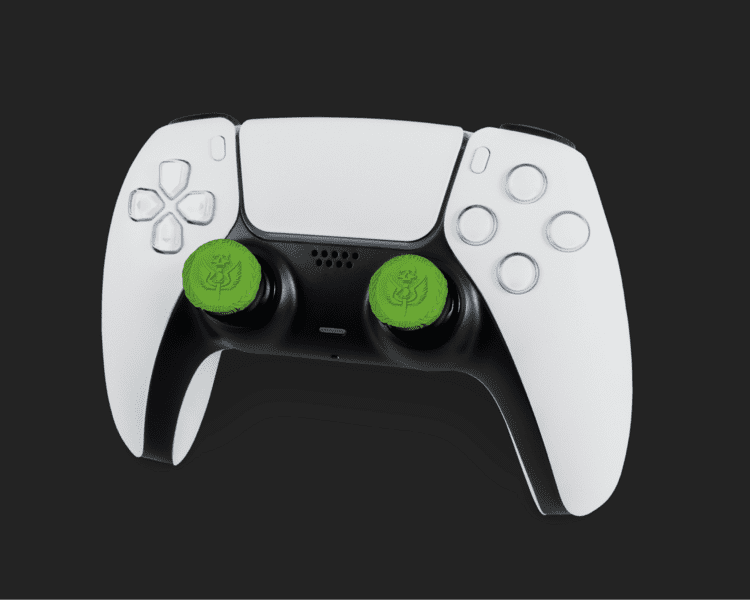
We all have those friends that are obsessed with Call of Duty. It doesn’t matter if other games blow them out of the water, they can’t stop playing. Consequently, these people will want to show the world how much they love this franchise. Here is where the newly released limited-edition SteelSeries and KontrolFreek xCall of Duty Modern Warfare II peripherals come into play.
Inspired by Simon “Ghost” Riley and Task Force 141 from the game, you can purchase mousepads, thumbsticks, and artisan keycaps. These minor touches are sure to get your battle stations ready for the upcoming release. Therefore, why not treat yourself before stocks run out?
“KontrolFreek continues to be an excellent partner, and we are proud to work together once again to provide both enthusiasts and casual gamers unique ways to celebrate their fandom and amplify their gaming experiences,” said Ratna Kirpal, Senior Vice President, Global Consumer Products, Activision.
3 choices from SteelSeries and Kontrolfreek, and 1 badass game.
The SteelSeries Qck mousepad has long been hailed as the “go-to” surface for PC gaming and eSports pros. With its exclusive micro-woven cloth, it offers maximum control while being optimised for both low and high-speed CPI tracking movement. This special edition mousepad offers 2 striking images to choose from. First, there is the classic Ghost or second, there is the distinctive Task Force 141 emblem to select. Whichever takes your fancy is bound to impress your friends.
Do you fancy a limited edition artisan keycap made from Zinc Metal Alloy and embossed with a Ghost emblem? Well, wait no longer as this vivid but minor touch will make your keyboard pop. What’s more, it is laser-etched with a unique number (1/1000) and will be available while stocks last.
Finally, enhance your thumbsticks with KontrolFreeks’ proprietary rubber compound. The limited-edition caps allow users to optimise their in-game sensitivity and this will give you finer control and turn the battle in your favour. On top of this, all KontrolFreekCall of Duty Modern Warefare II thumbsticks come with an exclusive in-game calling card. Furthermore, fans who purchase through KontrolFreek.com will also receive a limited-edition Task Force 141 challenge coin while supplies last.
Add some flair to your gaming setup.
Limited edition has never been mentioned so many times in one short piece. However, SteelSeries and KontrolFreek love to create a fuss. As such, when these items are gone, they are gone. Therefore, if you fancy getting yourself battle-ready for the release of Call of Duty Modern Warfare II, I recommend clicking the links below.
SteelSeries x Call of Duty: Modern Warfare II Limited-Edition QcK Mousepad – US $19.99 | EU €24.99
SteelSeries x Call of Duty: Modern Warfare II Limited-Edition Artisan keycap – US $49.99 | EU €49.99 | AP $49.99
KontrolFreek x Call of Duty: Modern Warfare II Performance Thumbsticks – US $19.99 | EU €24.99
Undungeon is a vibrant breath of fresh fantasy sci-fi air that gives you indie-triumph vibes for the first few hours but then fails to maintain its momentum as its Action-RPG gameplay stales, making you wish that it would have ended a whole lot sooner.
Perhaps it had an excuse – it started as a Kickstarter project – and like most video games that go that route, it had more than its fair share of development struggles, and as such the game was much different than what was originally promised.
Standard video game developments aren’t normally laid bare to the world, but since we have the luxury of peeping behind the curtain, we can see that the original scale of the story and its seven worlds – which were supposed to be explored by seven different characters instead of just one – was kept in place at the expense of the gameplay, which was adapted, but reduced in size and stretched out of the entire length of the game.
One of these options results in another acquaintance throwing numerous expletives in your direction following the quest.
Outside of the gameplay, the game is nicely polished, with a beautiful animated pixel art style with great details from swirling winds to personality-infusing character movement. But don’t take my word for it, the nominations for visual design awards are as deserving as they are impressive. Furthermore, the world is an atmospheric one with drab music complimenting the harsh and unforgiving existence after The Shift, an event that merged seven different versions of the earth – each of which is accessed as progressively unlocked outer layers on the map – and another which is sucking all known existence into an abyss.
The sci-fi story throws you in at the deep end from the go, providing a highly detailed conceit that makes you law of the land, and as a creature named Herald, you need to save what’s worth keeping in the current world, and transfer it to another, more stable world.
Undungeon is definitely up there as one of the worst-named games I’ve ever come across. This game has absolutely nothing to do with dungeons in any shape or form.
To do so you need to activate cores in each world/outer layer of the map to achieve your goal, but your character has no idea about the world or its inhabitants, and together with a fog of war greyed-out map, it forces you to explore to find those who can help you on your way.
Alongside the main players in the story, these side quest characters are as important – if not more – to making you feel like the ultimate authority as nearly all the locals have urgent issues that require your help. Playing judge, jury, and executioner (if you are so inclined) has you making life and death decisions on the regular and it’s implemented excellently, constantly having you at pause when trying to decide who to help and how to help them, especially when the game will sometimes intentionally hold back pertinent info, but will provide just enough background on the characters to make you feel involved – and at fault for a bad decision.
The only issue with this is that every character’s own accessible area on the map is almost identical in design and requires increasingly longer loading screens as the map expands. Not what you are looking for, in a game that grows too long in the teeth.
The world-building, the characters, and their relationships as well as the decisions that relate to them are so well written and the quality in which the narrative is conveyed is so pronounced that it makes the shortfall of the gameplay that much more disappointing.
The action itself is a pretty standard top-down hack and slack RPG with average customization elements for slightly different playstyles via switchable cores which contain different ability slots. XP levels up these cores, opening up more slots, but its these abilities – as well as equipment – that can be bought and acquired through battles, and its the former – through trading – which plays a key part in your success, as you need to find a supplier for your always depleted and damaged equipment, and it’s perhaps the only decent justification for constantly needing to travel around the map.
Sadly there’s a very specific moment of frustration when typically it should be one of the most enjoyable parts of a game. When I thought I had reached the end of the journey as you’ve not only ‘completed’ your original goal, but you have gotten to select who of the side characters you wish to bring over to the new reality, I breathed a sigh of relief until I realized that it wasn’t over, I was only halfway through – there is an entirely new world you need to save and are forced to play yet more of the same monotonous action.
By itself, the action is not heinously bad and there are features that are fun and are implemented well. From small details such as being able to locate all your misaimed throwing knives dotted over the map, to the great animation of attacks and even a clever ‘live’ menu that allows you to change which items and equipment you wish to use immediately in battle.
The game might fall at the hand of the action, but it doesn’t take away from some quite memorable decisions that you need to make.
Another reason why it’s unable to last the distance, though, is that there are few enemy types, and despite their own strengths and weaknesses, you are mostly going to be fighting bandits and unless you are surrounded by a huge group of them, it’s far from a challenge.
For the first third of the game, the RPG upgrades, the equipment, and the battling system all develop in sync with each other and make for an intriguing title that I was enjoying, but not long after you stop receiving new equipment and upgrades, the grind caused my enjoyment to fall off a cliff and every monotonous aspect of the game and the inability to skip them, brought a hefty dose of frustration.
Undungeon is a story of unrealized potential, with a well-written fantasy sci-fi story and stunning visuals, it could have allowed this indie Kickstarter title to really make some noise, but its repetitive action can’t stretch to meet a running time that’s double the length it should be, allowing tedium to settle in long before the end.
Playing games is always fascinating but playing poker is for the pro. It is really hard to find out the best poker players and name them easily because the game is not so easy to understand and play.
Poker is a tricky card game consisting of various card matching and other aspects. However, finding the best poker player of all time can be a bit difficult because it may consider more than one instance.
Poker is played not just for passion but for the intensity of making millions of money by the players. It is probably the trickiest but simple way to make money. However, you cannot just go down the lane and start playing poker to become a billionaire.
It takes guts and luck, and a handful of skills to make money. But without passion for the game, you will not be able to play it properly. And also, there is a risk of losing your money over a poker game.
Glimpse To The Greatest Poker Players Of All Time
Whatever the situation is, being a pro poker player is a blessing to them. Great players rise with great skills and responsibility.
However, these days poker can be played online, and that excites people to ensure the fact that they can now enjoy playing the game on a low budget through online apps and websites.
However, we have managed to prepare a list of efficient poker players, including all kinds of criteria. A player cannot be judged just based on their income. So, not just money but the playing style, consistency, personality, and achievements are considered to provide this list.
1. Doyle Brunson
Doyle Brunson is now 87 years old, and he has enjoyed probably the longest era of poker. He has an exciting 50 years of career with loads of wins and prices and money. His tournament earnings were close to $6.2 Million.
At the age of 84, he played his last poker and owned the play table.
Here is the his best moment
2. Phil Ivey
Phil Ivey was the smartest young poker talent back then in 2000. Though he was accused of cheating in the game, we also have to consider his extraordinary achievements. He has a WPT title, 10 WSOP bracelets, and loads of admiration from his peers.
You never believe he first won his WSOP bracelet at the age of just 23.
3. Fedor Holz
This German poker sensation created a huge buzz in 2010 by winning CrownUpGuy table, an online poker platform, which held him at the top with a massive score of $1.3 million.
The greatest player of all time is always under debate, but if you want to find the best poker players online, you will find this name in the list.
4. Johnny Moss
If you are finding a keen intruder of this game, you are probably searching for the godfather of poker, Johnny Moss. 9 WSOP bracelets, three event titles, and uncountable money as a professional gambler are enough to state the importance of this gambler.
5. Justin Bonomo
Bonomo is one of the top poker earners in the world, with almost $44.6 million in winnings. Poker is not just luck but professionalism, so top online poker gambling sites will require some skill form players, and that is what Bonomo has shown us so far. He is a late runner but fast enough to consider 18 tournaments starting from titles from 2016.
6. Phil Hellmuth
If you are willing to find one of the toughest players of poker, then you are entering the world of Poker Brat with Phil Hellmuth. He has won the main events of WSOP in both Europe and Las Vegas.
His main aim is to win the WPT in the near future.
Here is a clip from some of his best games
7. Bryn Kenney
Want to need the heaviest earning of poker?
It’s Bryn Kenney who earns almost $56.4 million. Though he is not considered a title guy, he has already made his fortune with seven WSOP finals.
8. Daniel Negreanu
This Canadian fellow is quite impressive with his earnings so far. He made 38 final tables and almost $42.2 million of fortune.
The secret behind this guy’s success is his uncanny method of understanding the opponent quite quickly and easily.
9. Erik Seidel
Another money man in the field of poker, Erik Seidel, is actually from the U.S. He took his best fortune in the Aussie Millions Poker Championship and made a $2.5 million cash payout in 2011.
Here are a few moments of him enjoying the game
10. Dan Smith
This American professional poker player is known as Cowboy Dan and resides in Las Vegas. He has not joined poker needlessly, but he literally left his study in the middle of nowhere to become a professional poker player.
Knowing the intensity, we all can assume that he has won $33 Million in a live tournament.
Who Is Your Favorite?
From the above-mentioned list, who do you think is the greatest player of all time?
Well, it’s challenging to select only one, and we are leaving it up to you. Just for fun, or if you have a proper interest in poker games, you can dig into these names a bit more by searching for them. It might be a life lesson from these poker experts to help you gain confidence in life.